CREATIVE DESIGN
The creative approach for Villa Alejandra stems from the intention to unify fragmented spaces into a coherent and fluid whole.
RESULT
The transition from the interior of the home to the exterior flows seamlessly, creating the impression that both worlds form a single continuous space.
Terraces extending at different levels, elevated gardens that follow the natural slope, and areas strategically designed for contemplation come together to offer direct views toward the distant blue of the sea. Every glance at the horizon reveals how the architecture blends with the foliage, and how each plant, each green wall, and each shaded area contributes to building a harmonious visual journey that embraces both the house and its immediate surroundings.
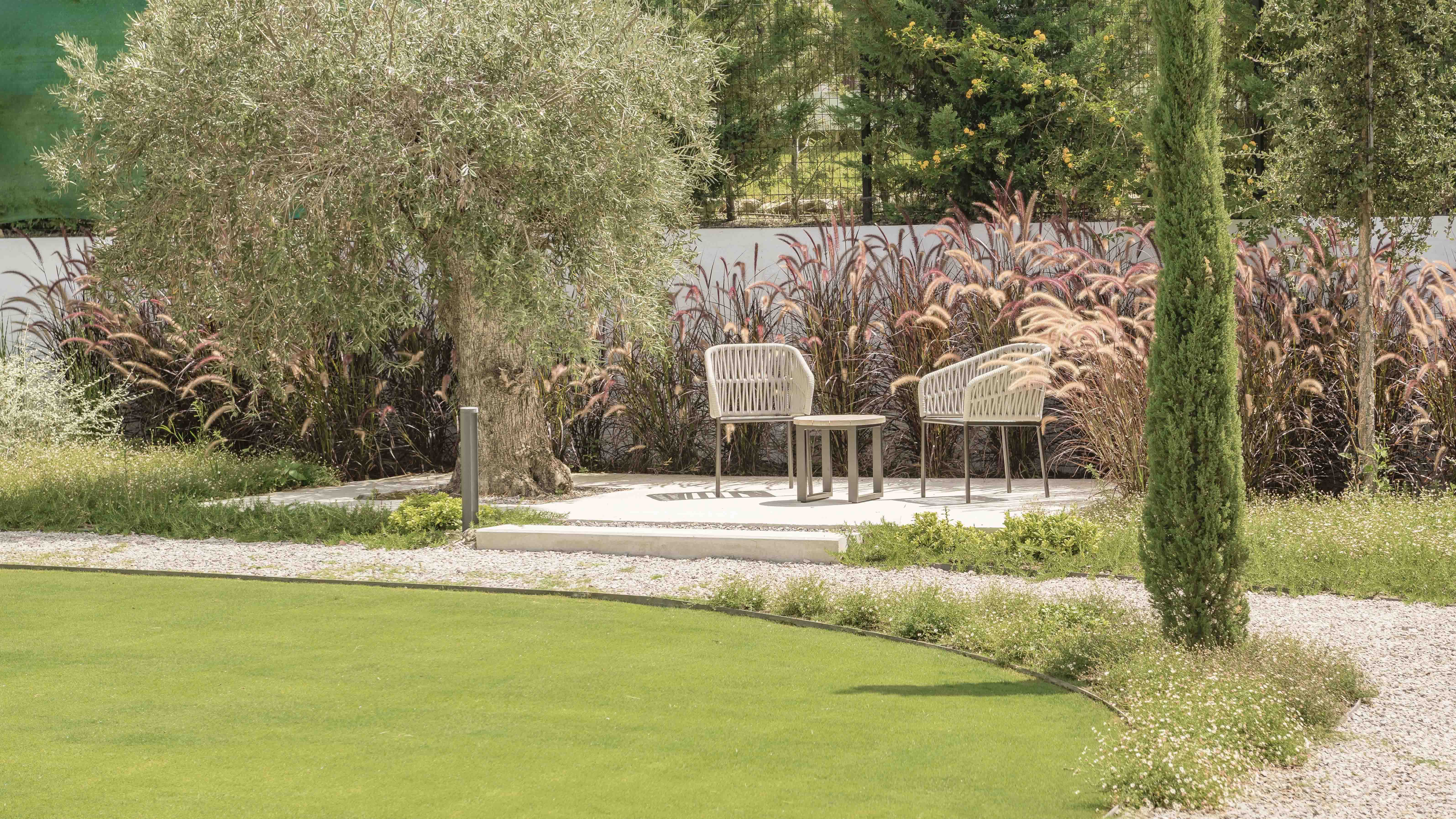
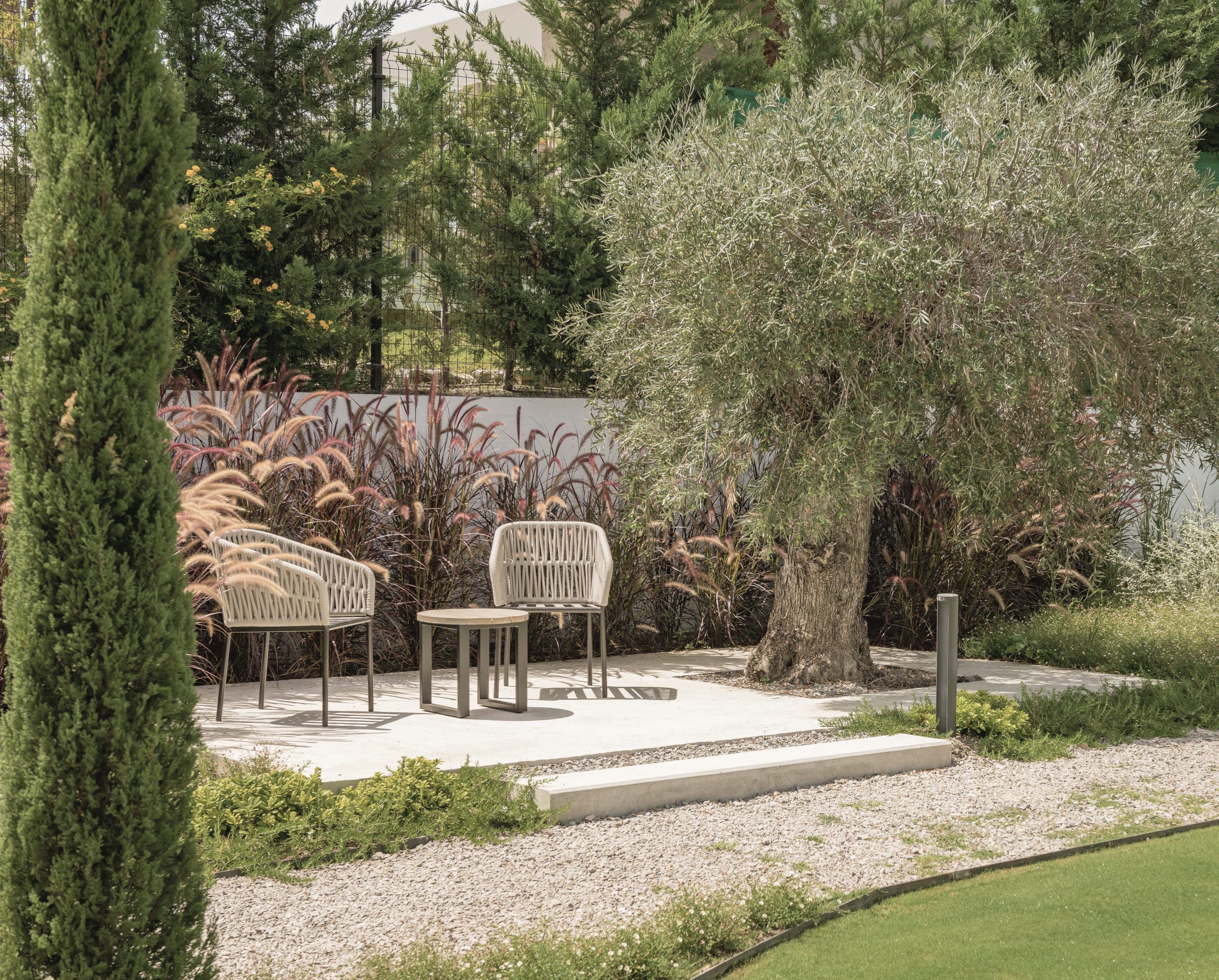
The garden is not merely a backdrop, but a space designed to be fully lived in: resting areas where one can pause to read or converse, softly shaded corners that invite tranquility, and open spaces that project toward the surrounding landscape with serene elegance.
Air, color, and the scent of vegetation accompany every movement of the user, generating a sustained sensory experience where every step reinforces the connection with the nature surrounding the villa.
Taken as a whole, Villa Alejandra presents itself as a declaration of harmony between construction and landscape, a remarkable example of garden design in Marbella and Benahavís within the natural context of the Costa del Sol, where aesthetics, functionality, and environmental integration converge in a single language.
Villa Alejandra rises at the top of La Alquería in Benahavís, occupying a privileged setting where the Mediterranean light—ever-changing throughout the day—blends with a gentle breeze that moves along the hillside. This natural combination engages directly with the surrounding topography, creating an atmosphere in which the landscape seems to envelop the property with complete ease.
From the very first moment, the garden presents itself as an essential element, conceived to act as a bridge between contemporary residential architecture and the surrounding landscape.
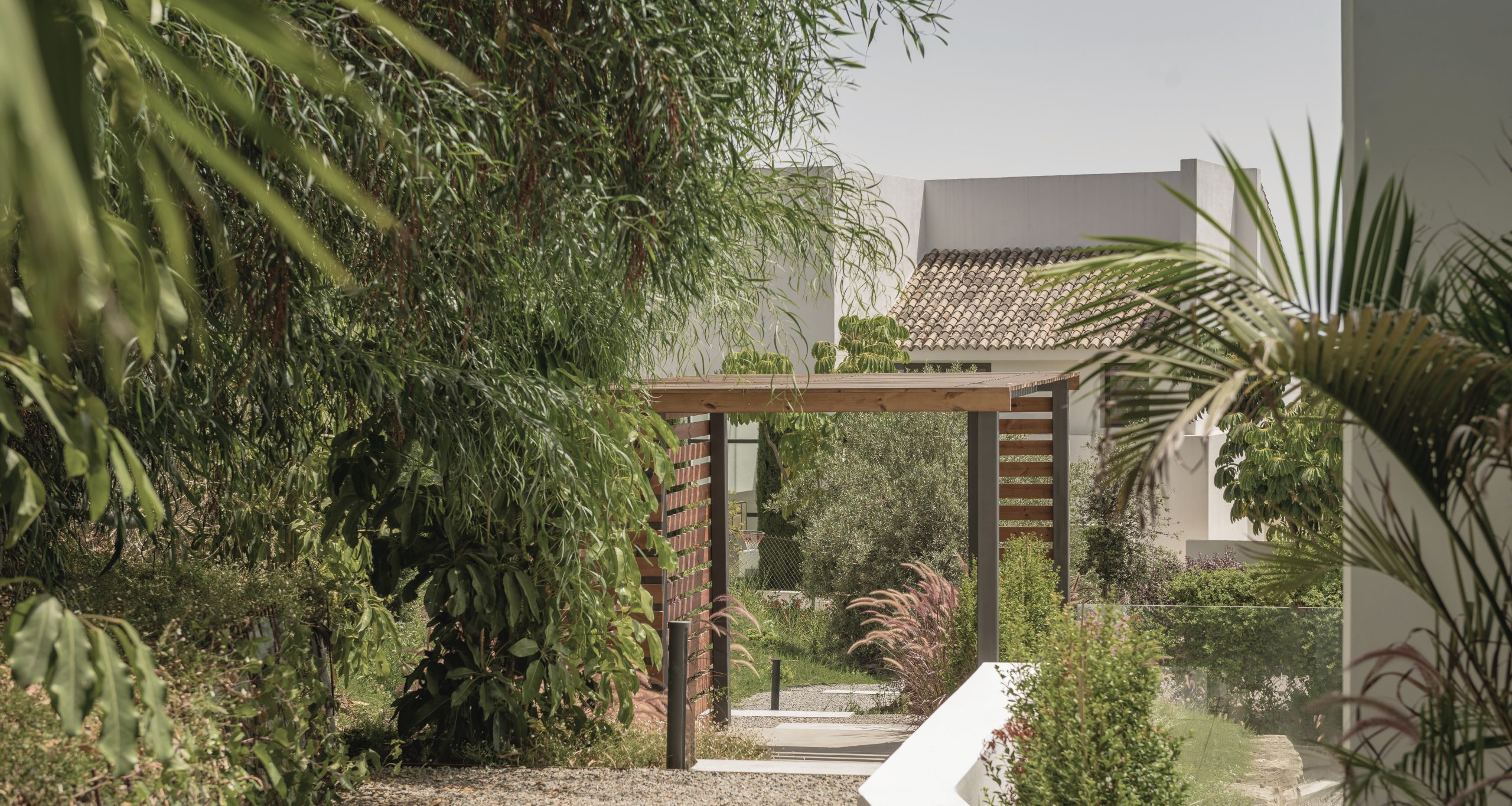
The entrance unfolds gradually, opening onto a sequence of planted layers and built elements that guide the visitor, step by step, toward the feeling of arriving at a refuge designed for disconnecting, breathing, and contemplating.
MATERIALS
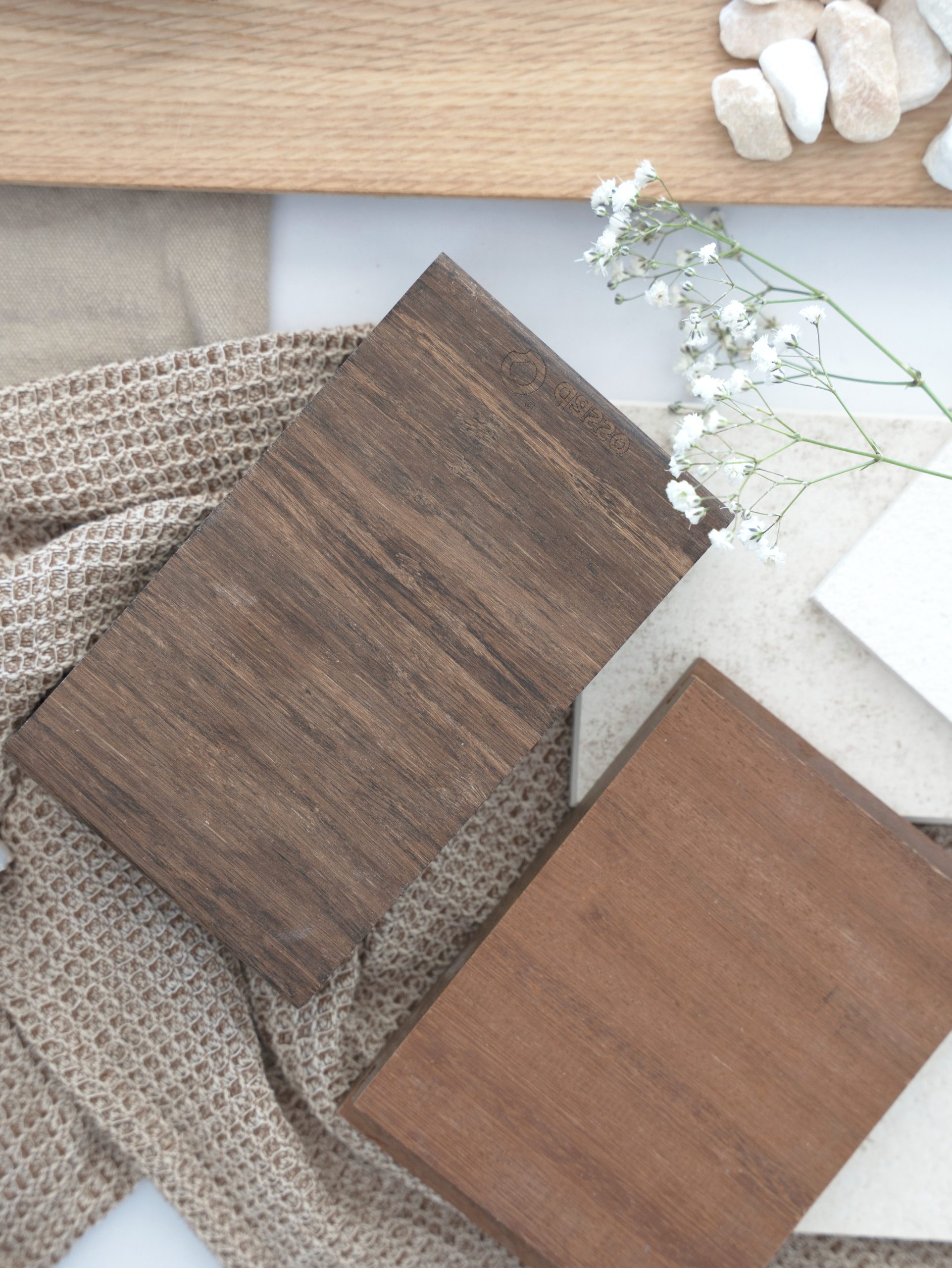
The materiality of Villa Alejandra reflects a balanced mix between the modernity of the residence and the warmth of the natural surroundings.
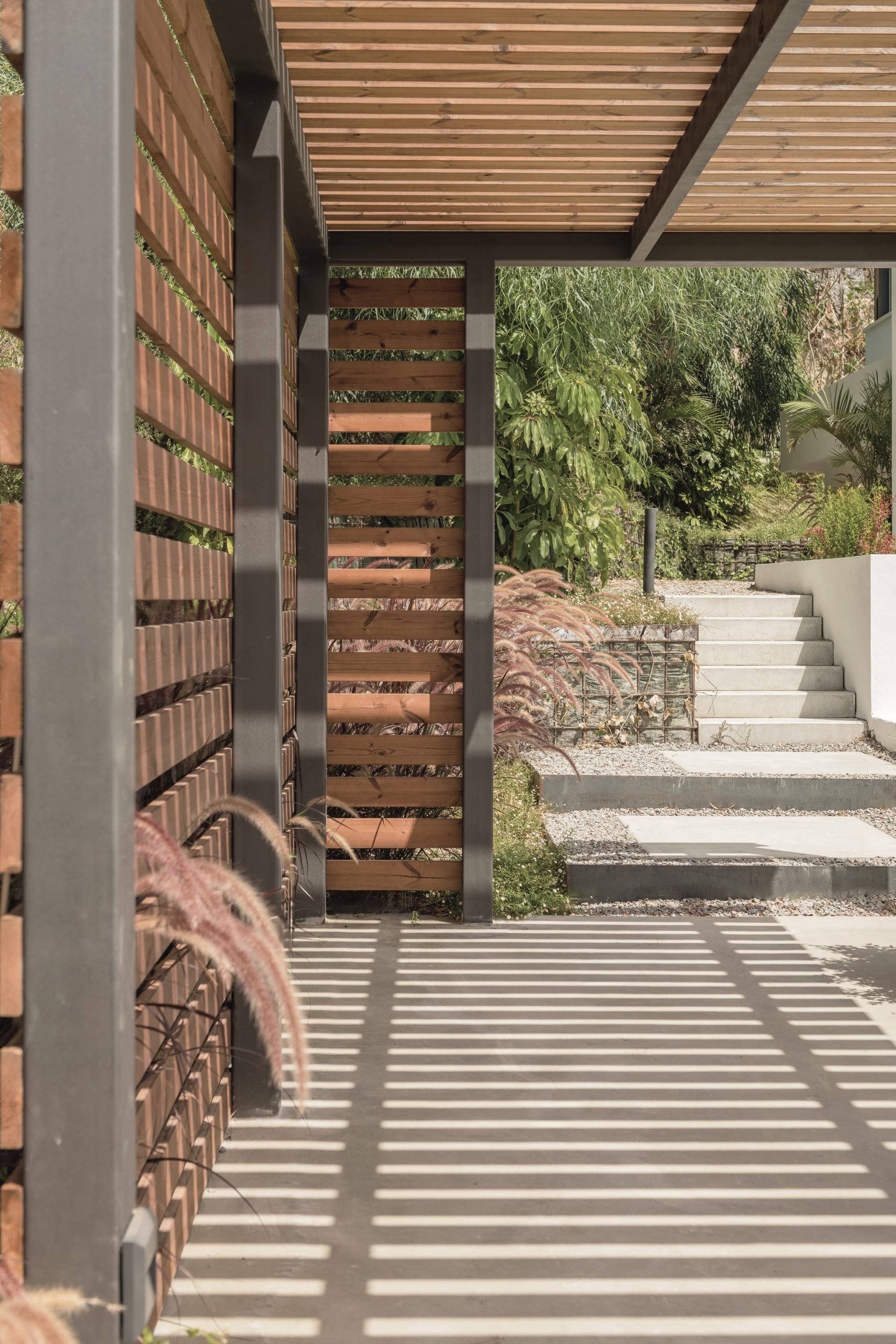
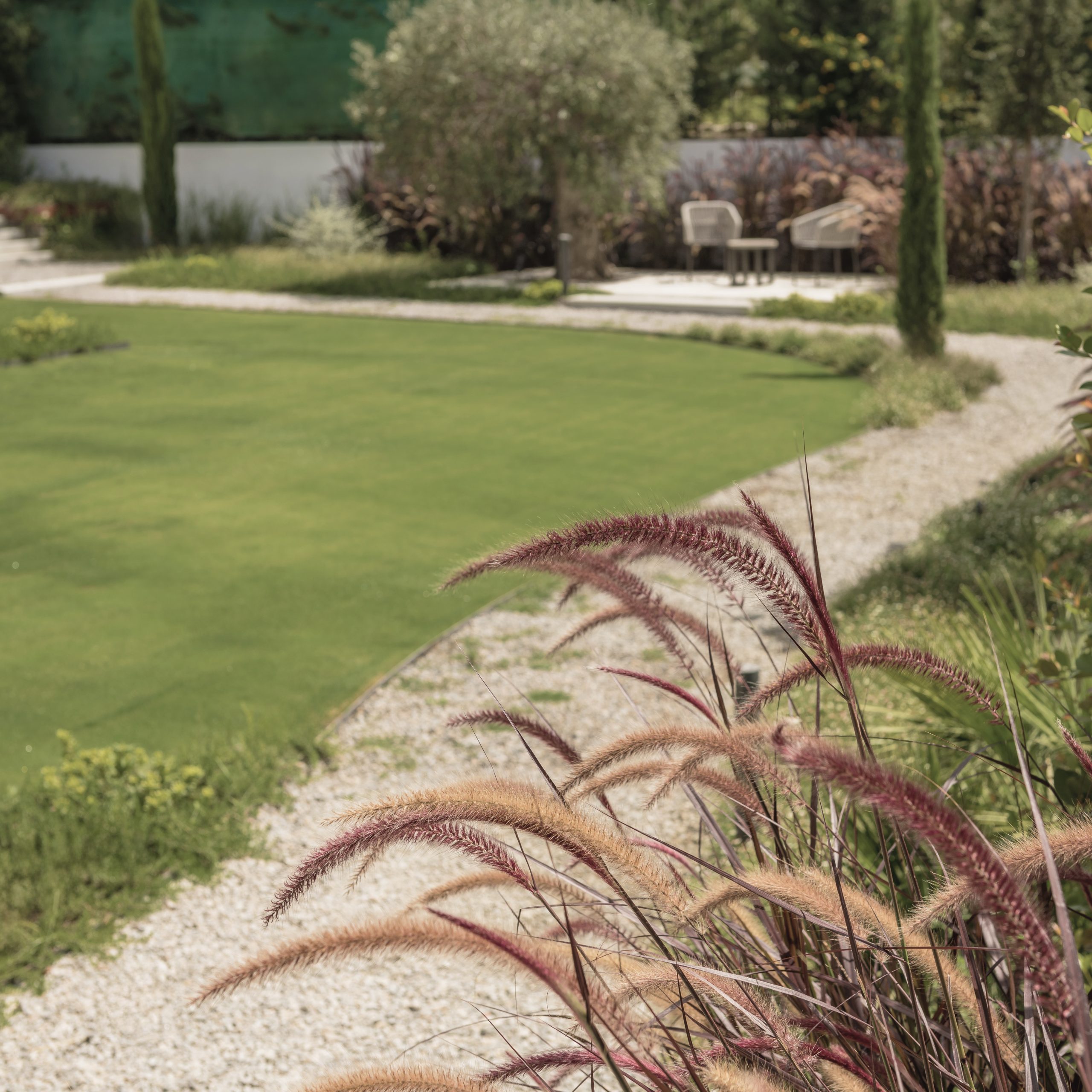
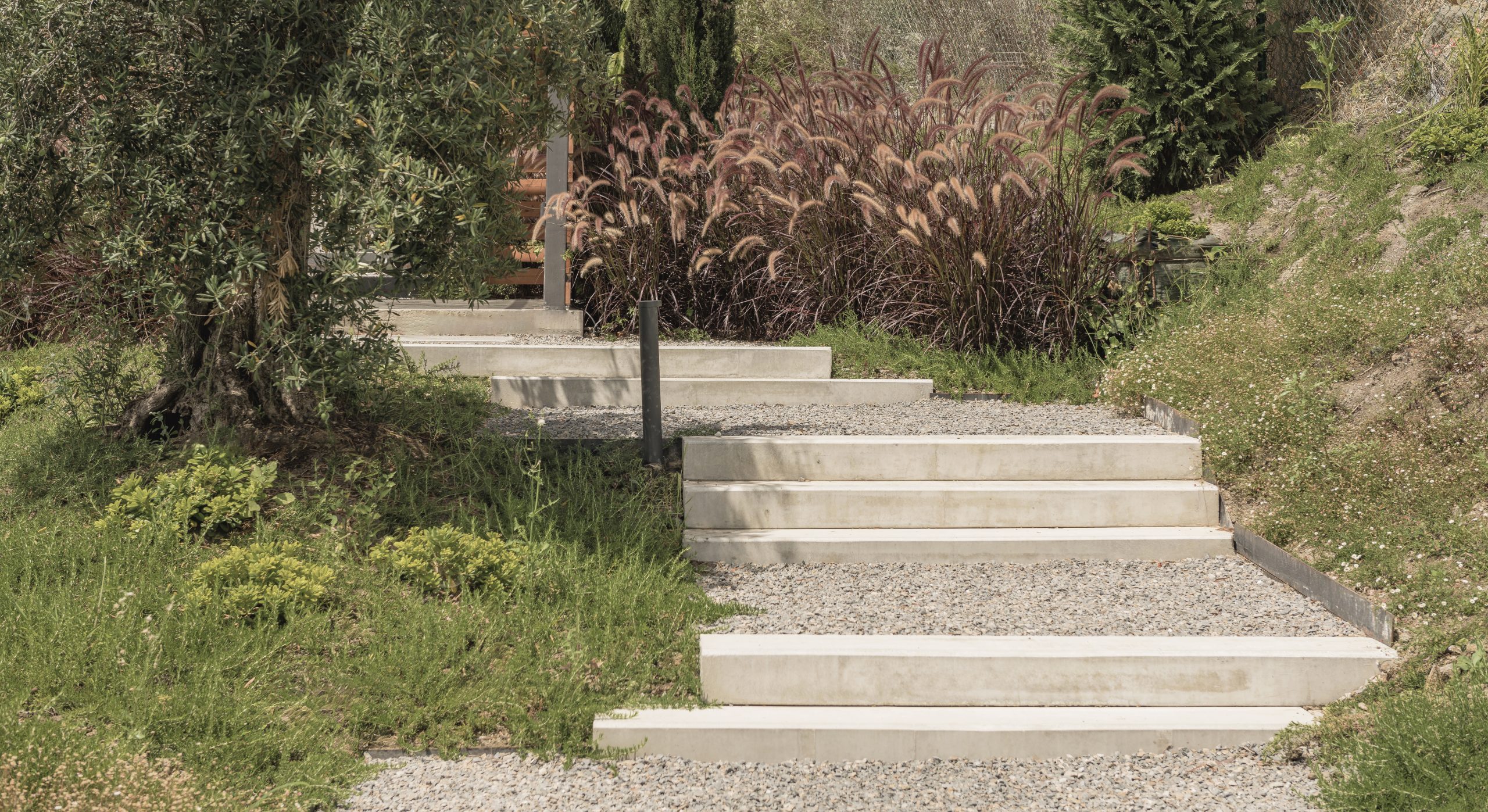
Pathways and circulation areas combine warm-toned natural stone with gently textured concrete pavements and gravel that respect the architecture’s geometry.
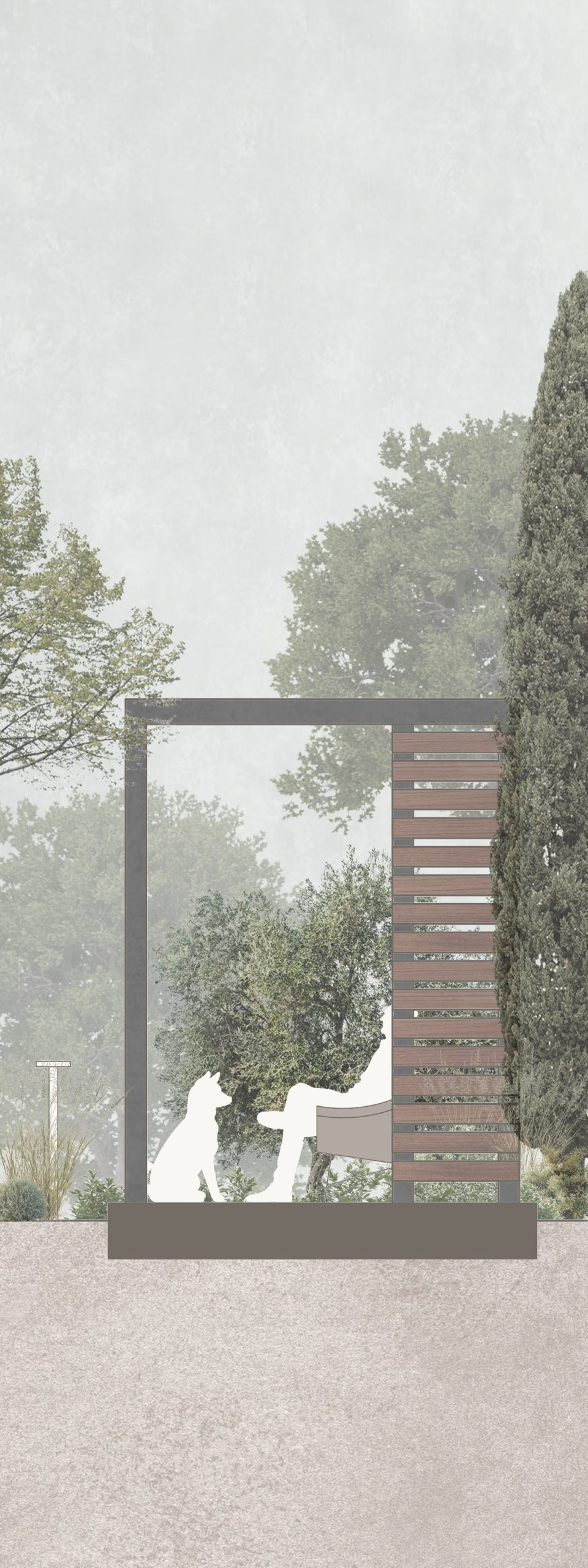
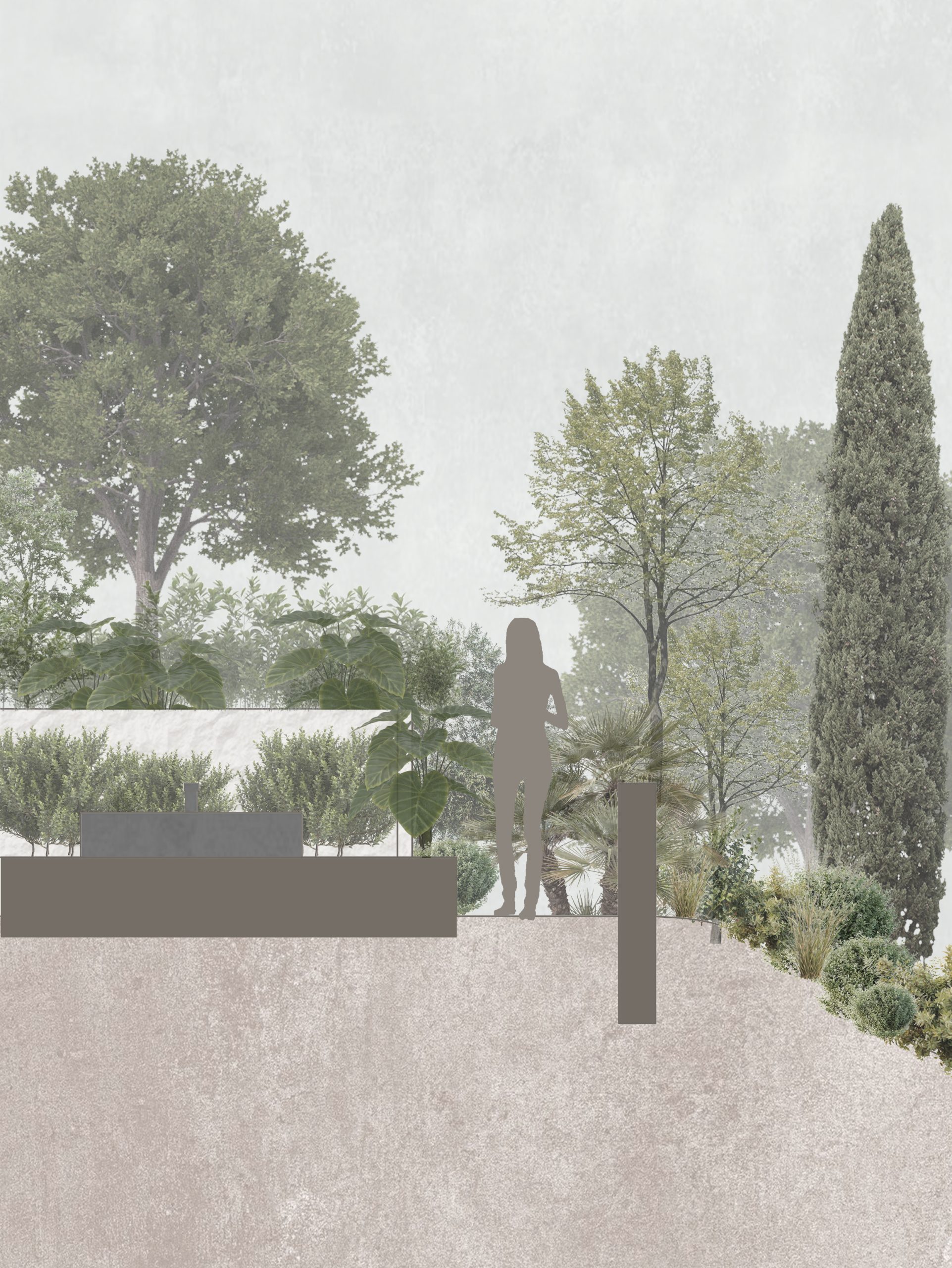
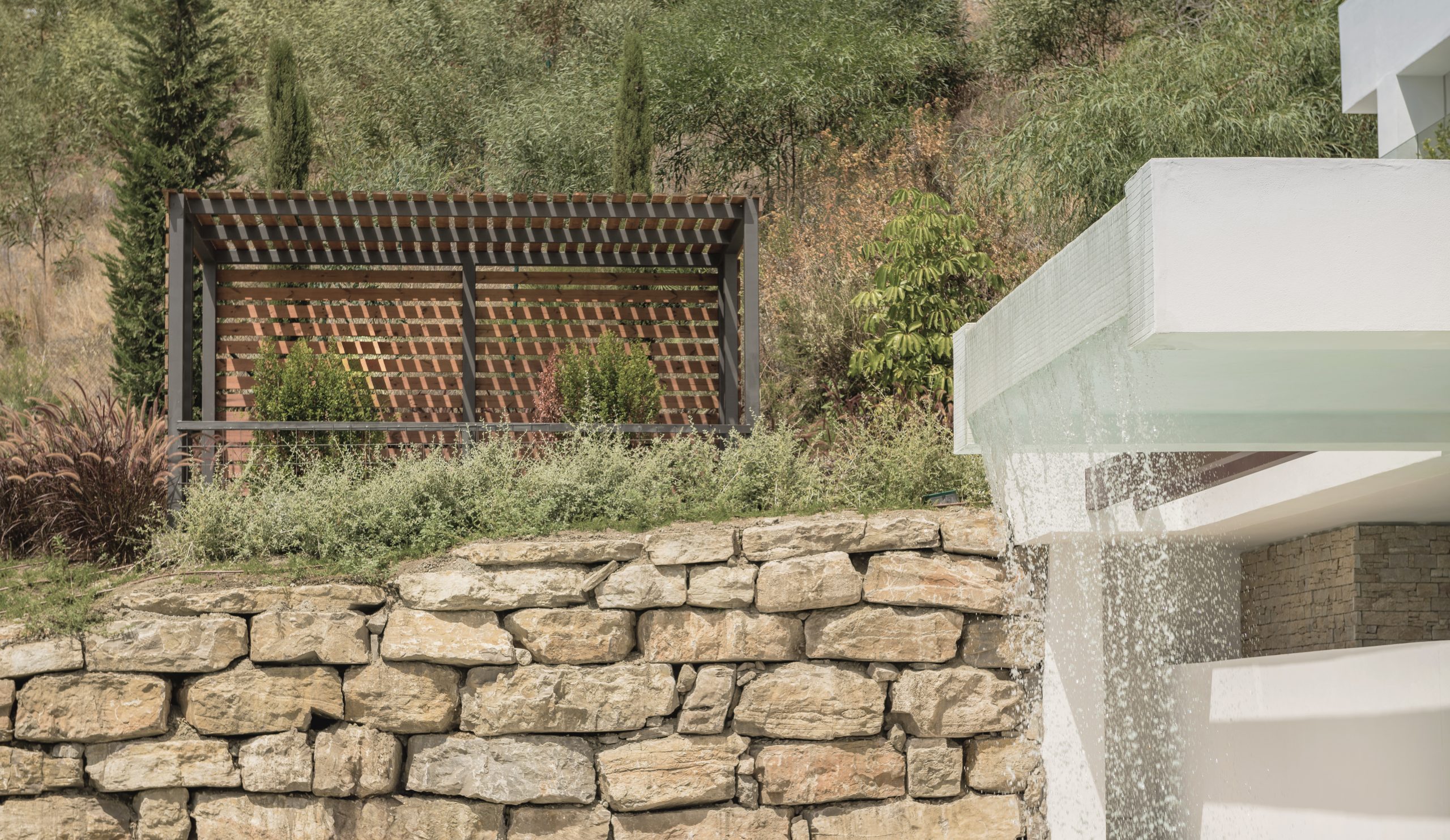
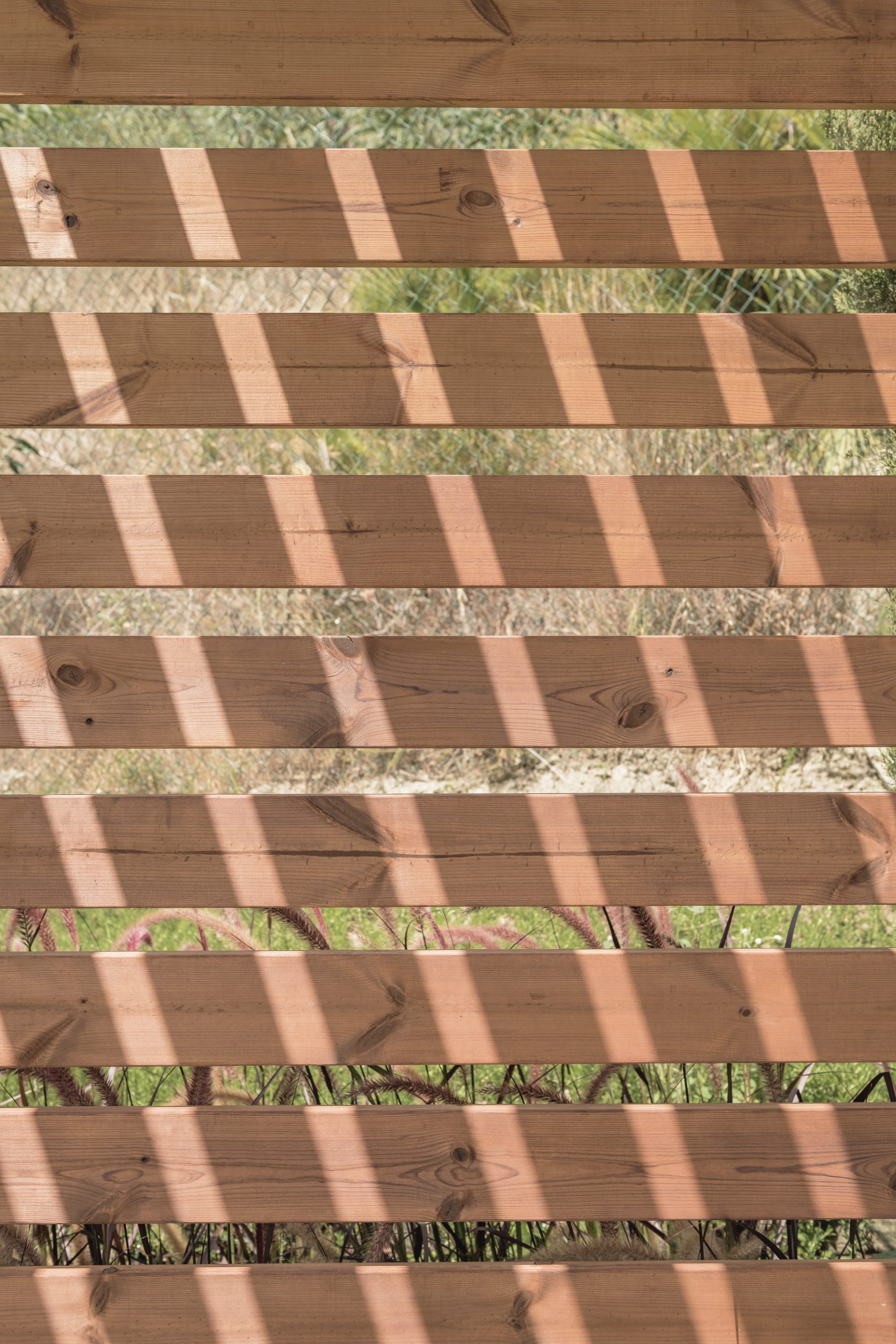
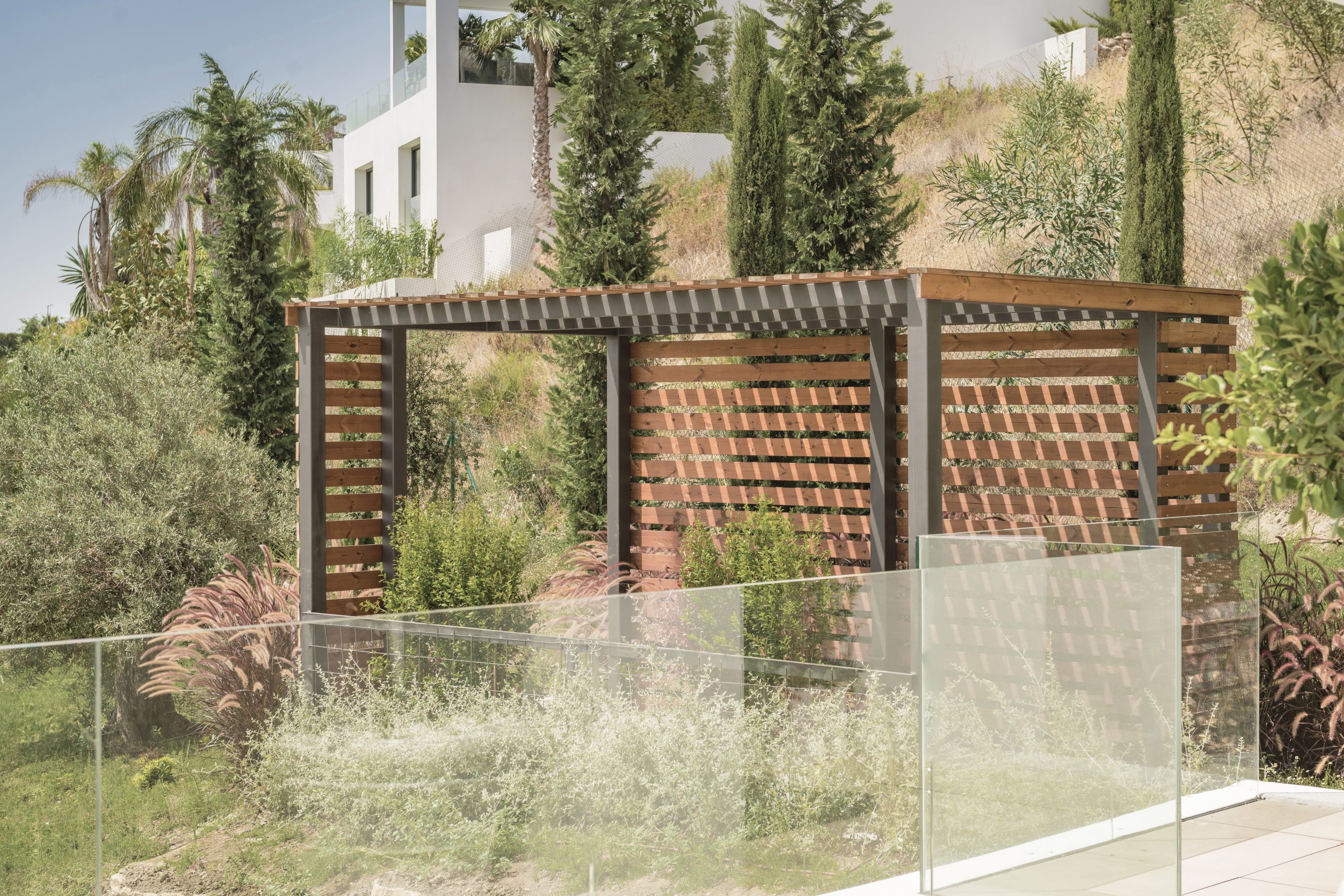
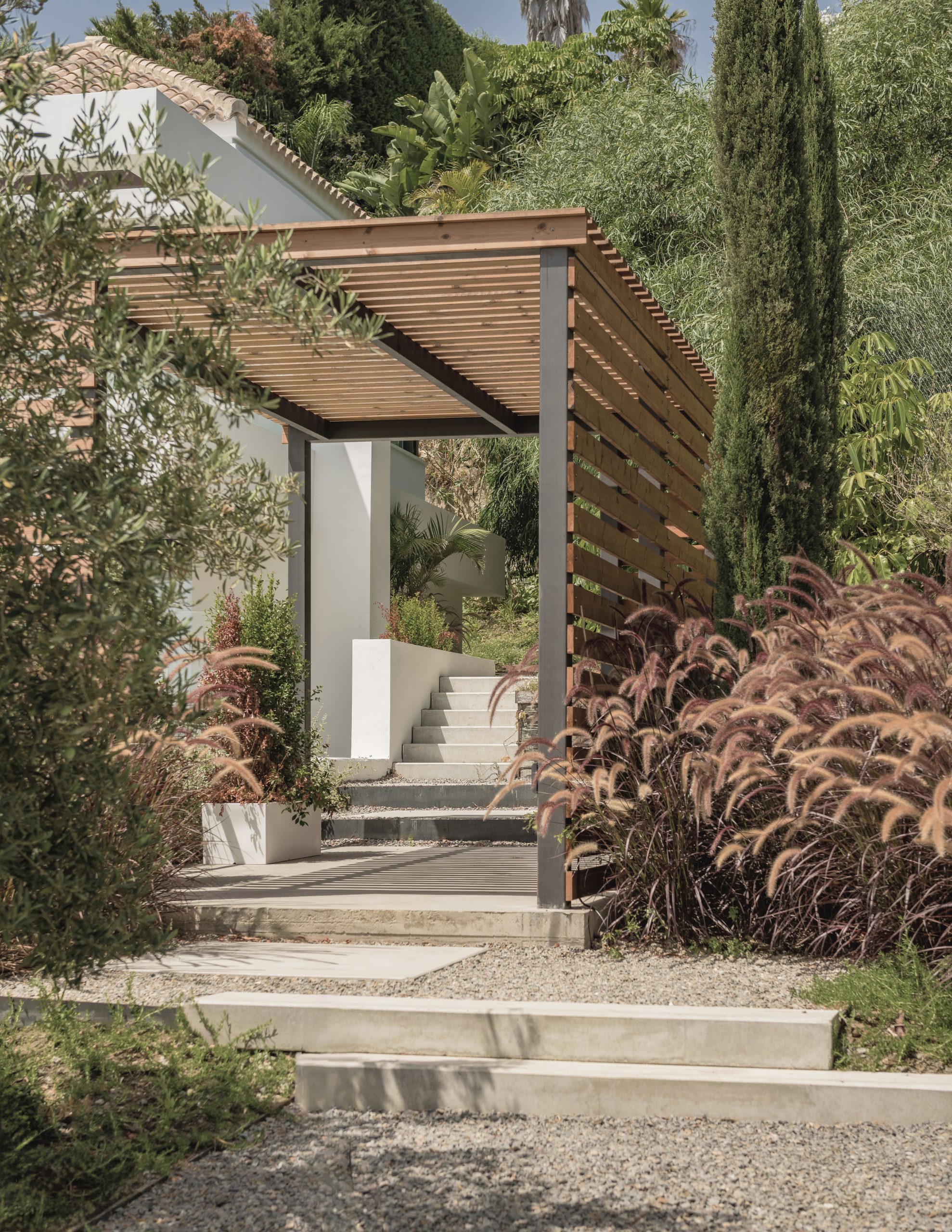
Green walls act as living barriers, transforming the presence of perimeter walls into a plant-based language that changes with the seasons. Thermally treated wood and discreet metal elements (such as planters or edges) complement shaded and resting areas.
The material palette combines natural and technical elements: stone, wood, dense vegetation, and sustainable solutions.
Drainage, efficient irrigation, and joints that allow water passage ensure that the garden is beautiful, functional, and durable under the climate of Benahavís/Marbella.
Nighttime lighting is conceived as an extension of the day: warm, discreet lights along paths, soft shadows cast by trees and pergolas, and subtle reflections on plant elements transform the outdoor space into an immersive setting when night falls.
CREATIVE DESIGN
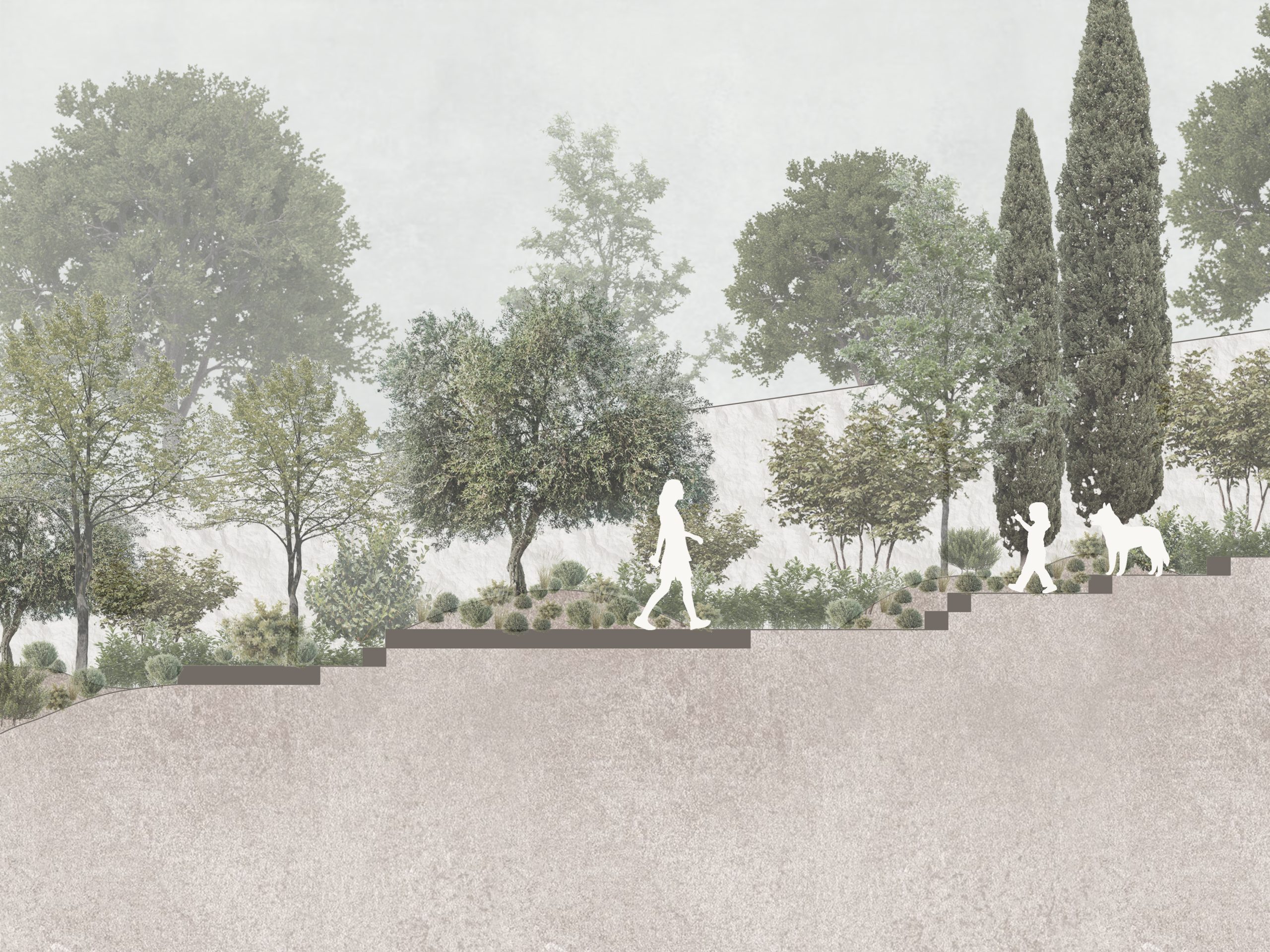
The creative approach for Villa Alejandra stems from the intention to unify fragmented spaces into a coherent and fluid whole. The landscape architects from La Menara designed the outdoor pathways through a clear structure of visual axes: lines radiating from the house that dissolve into gentle curves adapting to La Alquería’s terraced terrain, using strategic containment structures to maximize the usable surface of the hillside garden.
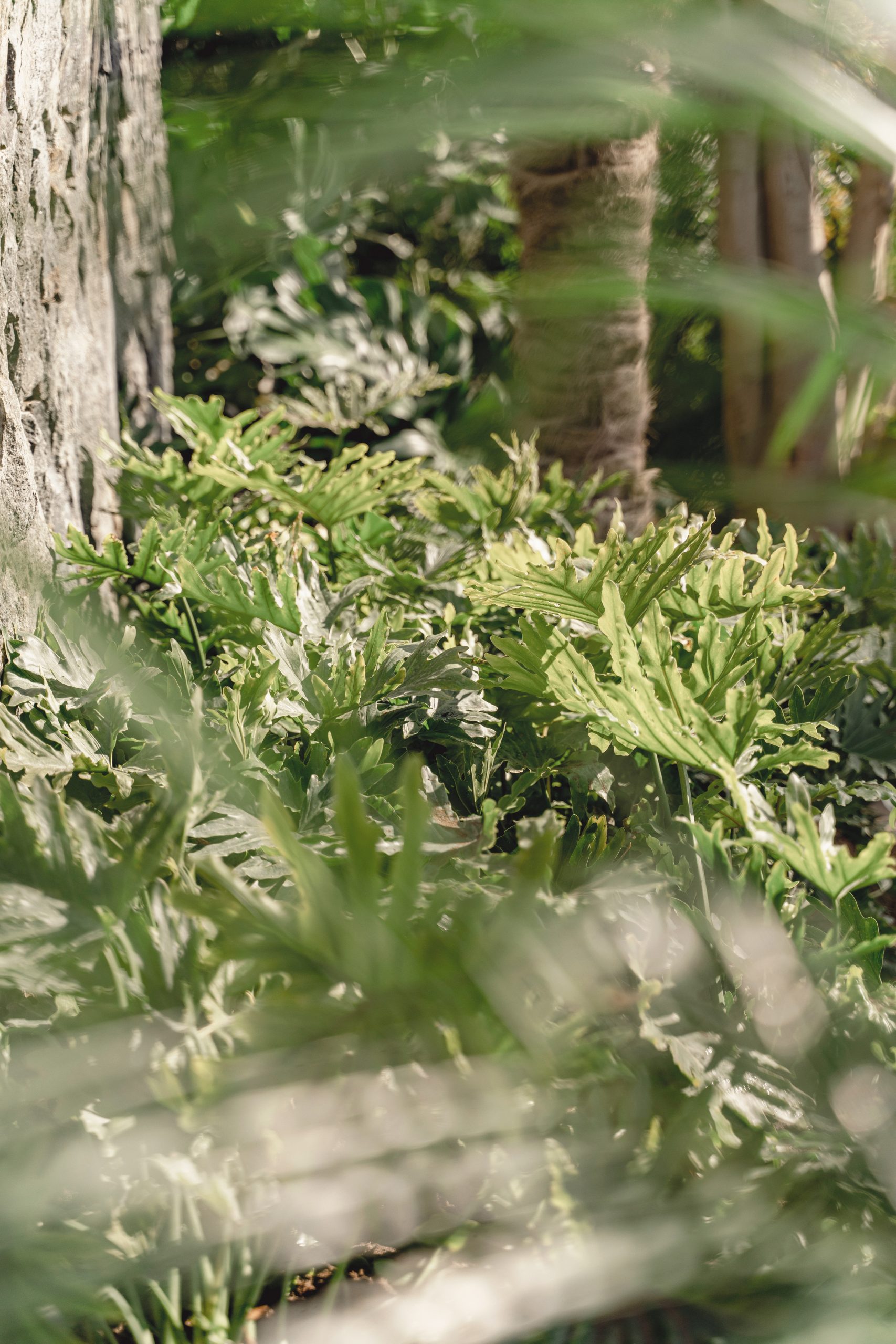
The garden is organized in layers: a foreground of firm structure—paths, platforms, terraces—and plant layers that play with height, texture, and shade. The selected species are intended to adapt to the Mediterranean climate, provide aromatic freshness, and create seasonal contrasts in bloom, color, and volume.
The interaction with the topography translates into micro-slopes, gentle inclines that create pockets of light and shade and allow different visual perspectives throughout the journey. Resting areas, light pergolas, and contemplation spaces were strategically placed to offer protected views and intimate spaces.
Special attention is given to water: although no main swimming pool appears, it may be present in reflective sheets, discreet channels, or minimal fountains that soften the visual environment and reinforce serenity.
The garden is experienced at different scales: from the detail of the vegetation near the house to panoramic views of the distant landscape. Villa Alejandra proposes contemporary garden design in Marbella/Benahavís that celebrates architecture, landscape, and sensory experience with a functional, aesthetic, and sustainable approach.