WORK IN PROGRESS
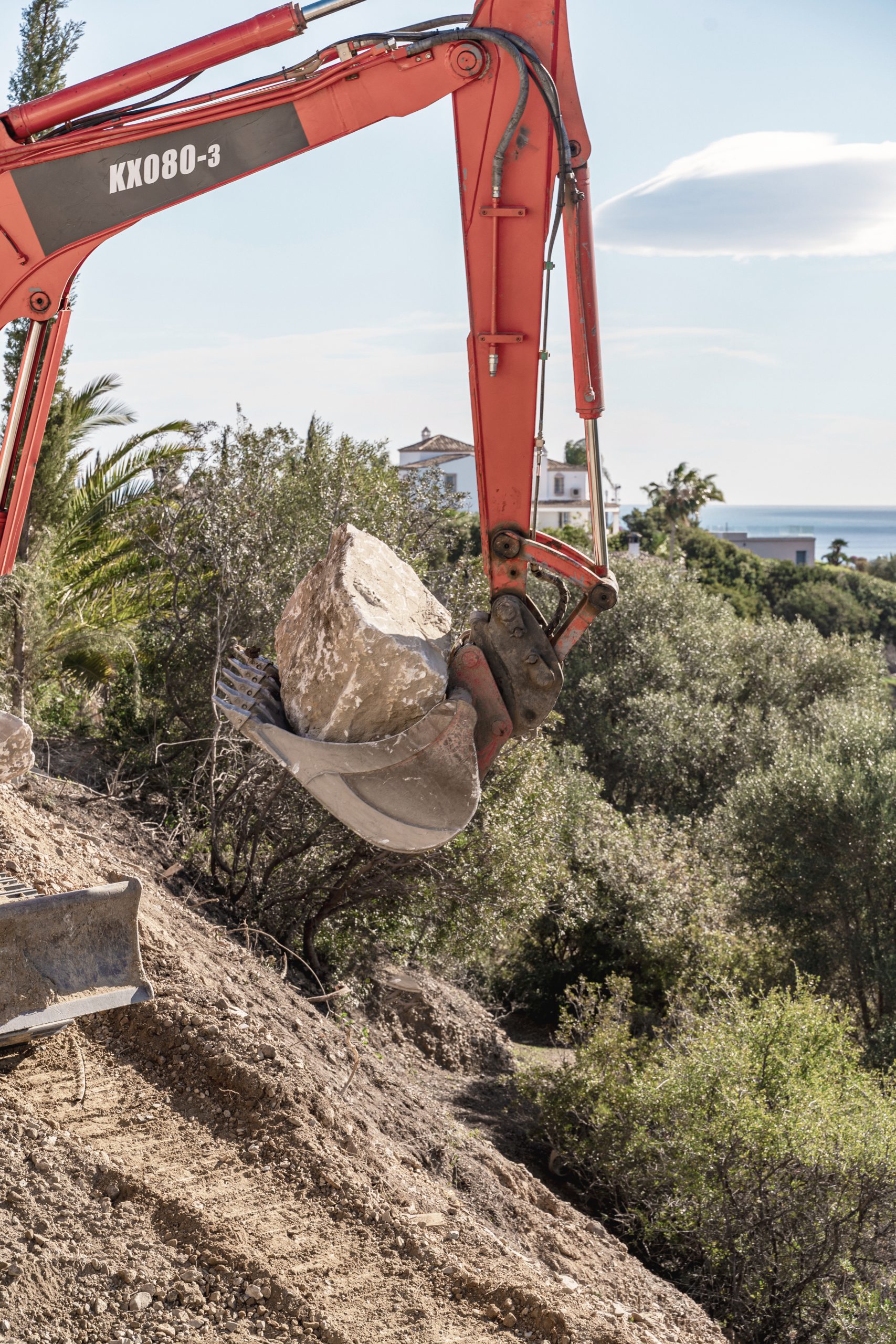
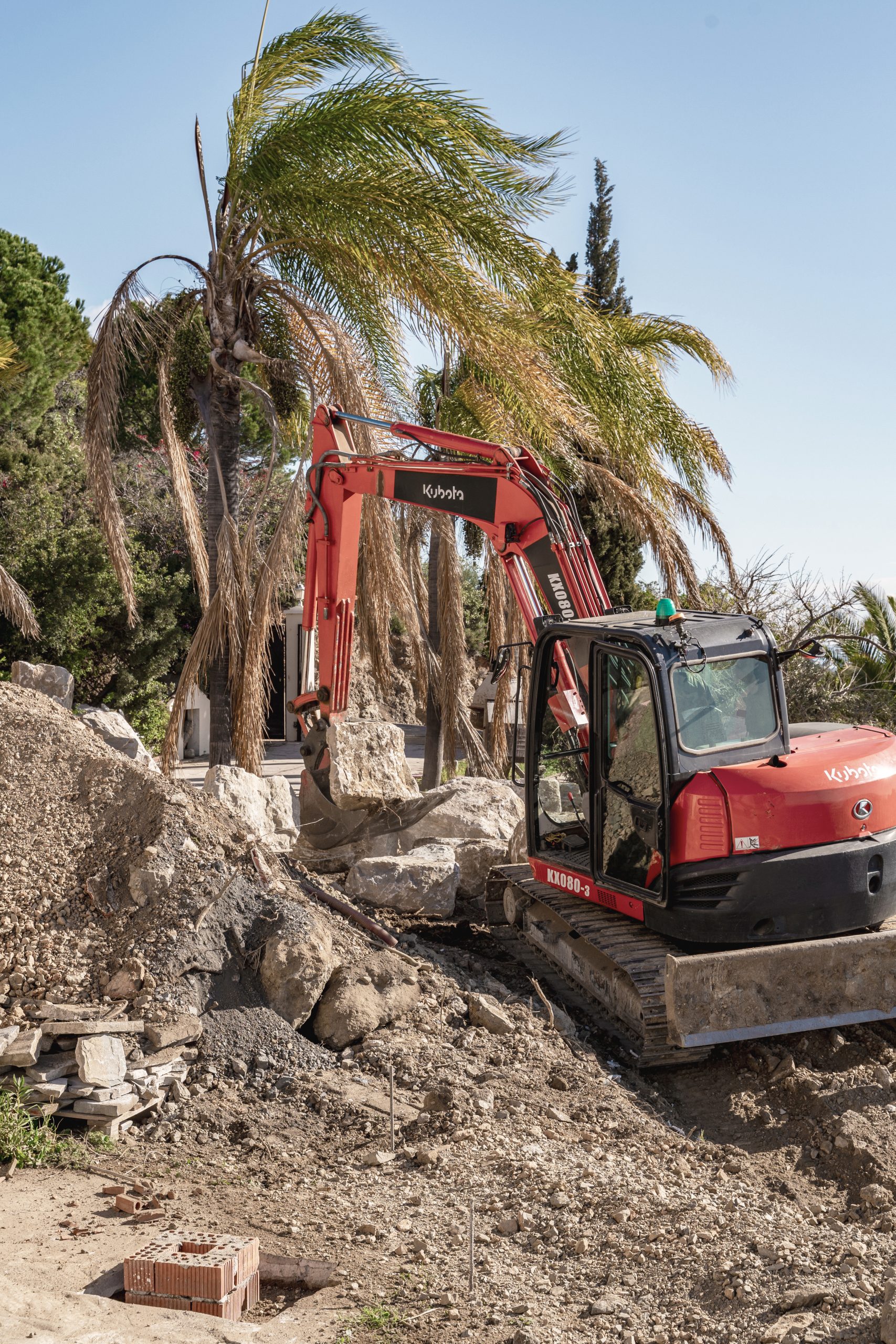
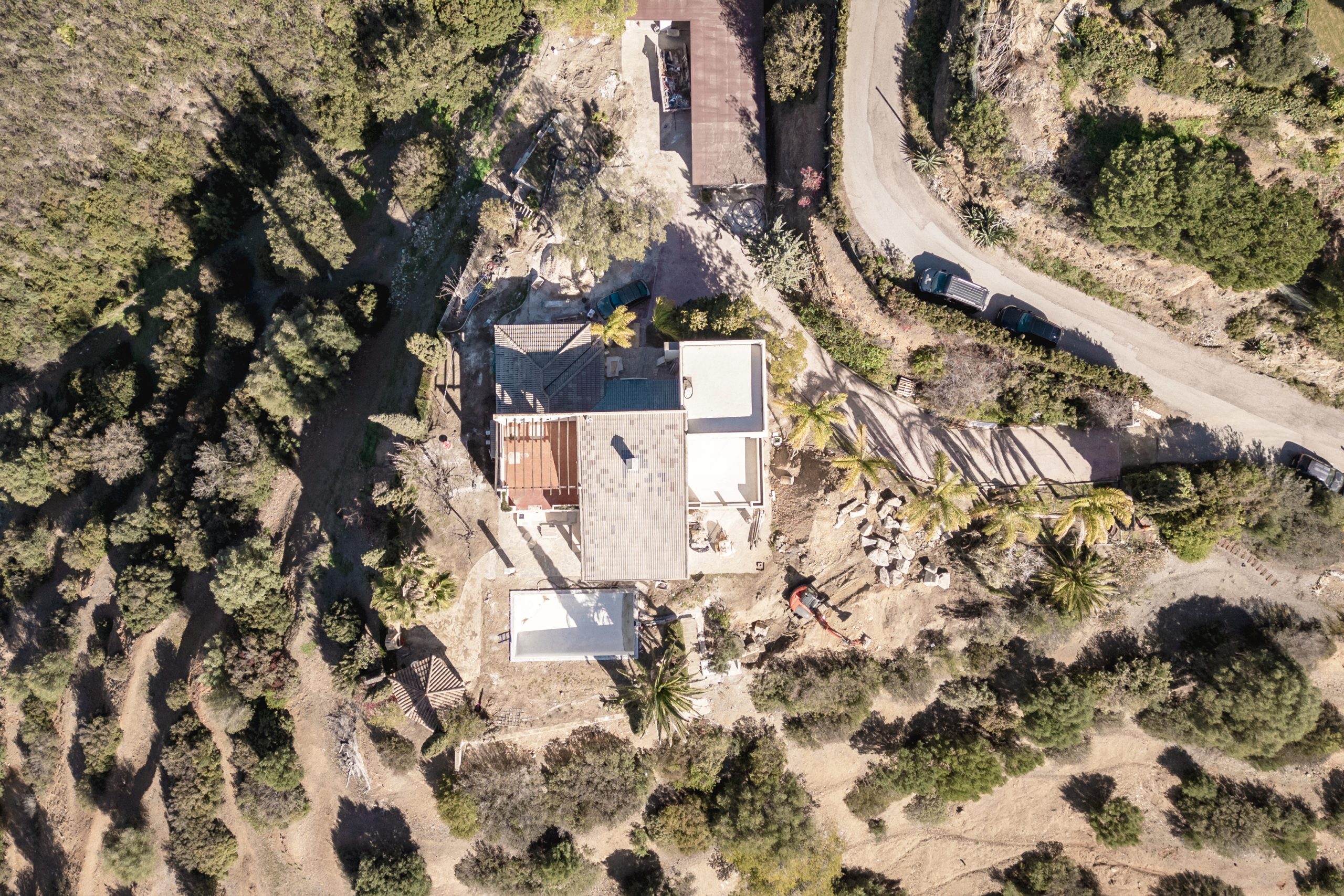
The execution of Villa El Padrón’s garden was carried out respecting the natural topography and the composition axes defined in the design.
CREATIVE DESIGN
The creative design of Villa El Padrón stems from a clear vision: to reinterpret the Mediterranean garden from a contemporary perspective, combining geometric rigor with natural freedom.
RESULT
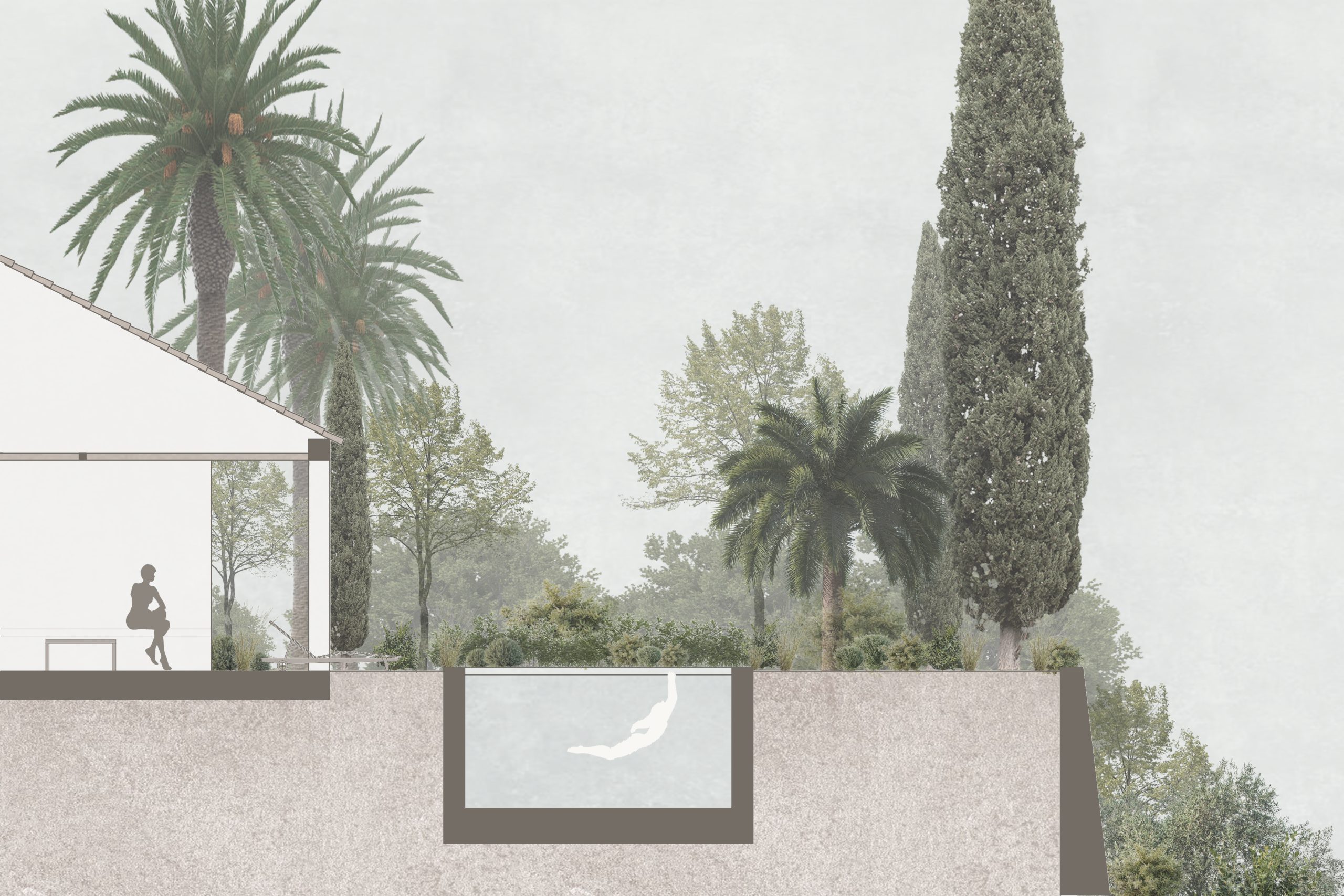
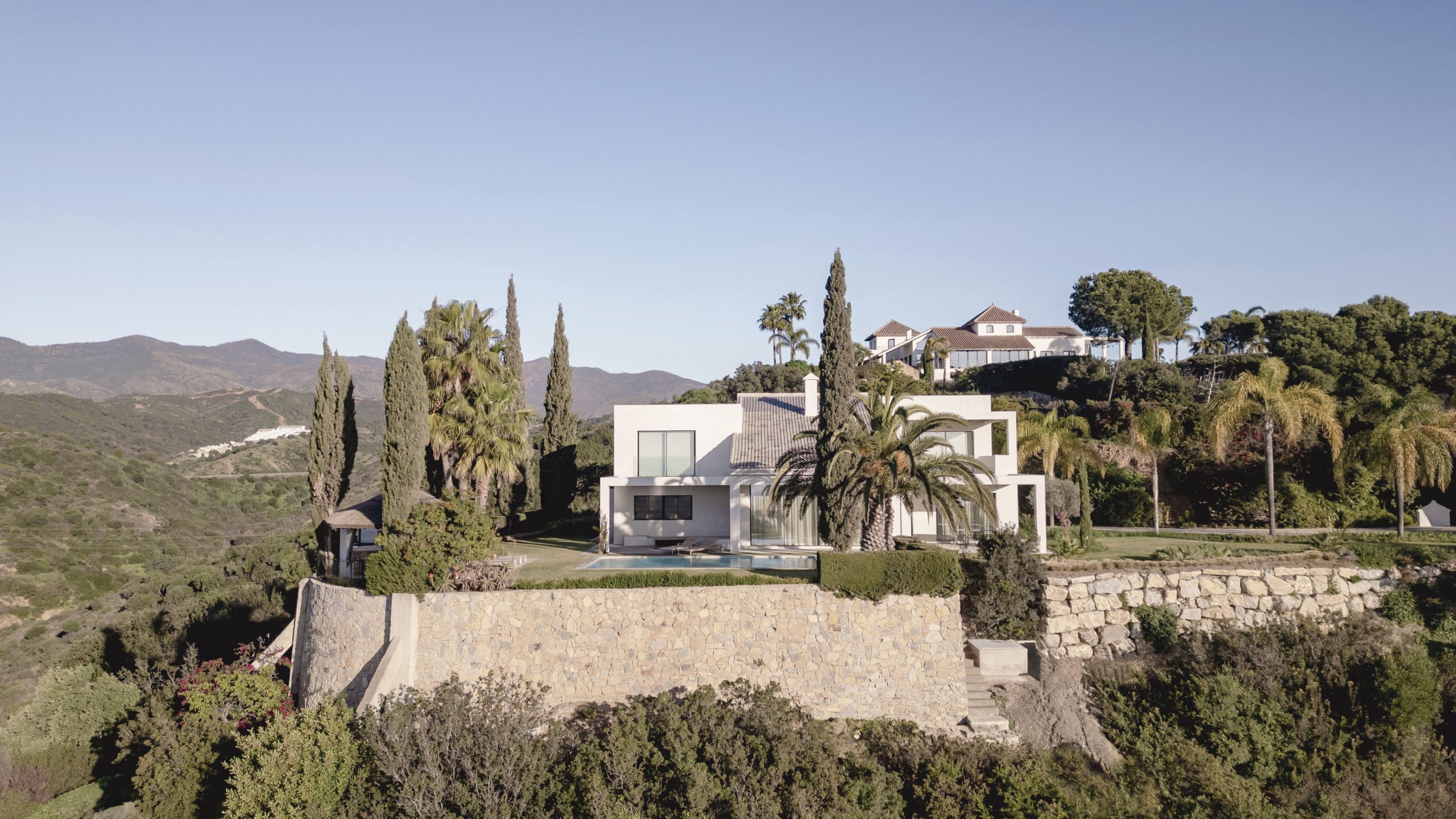
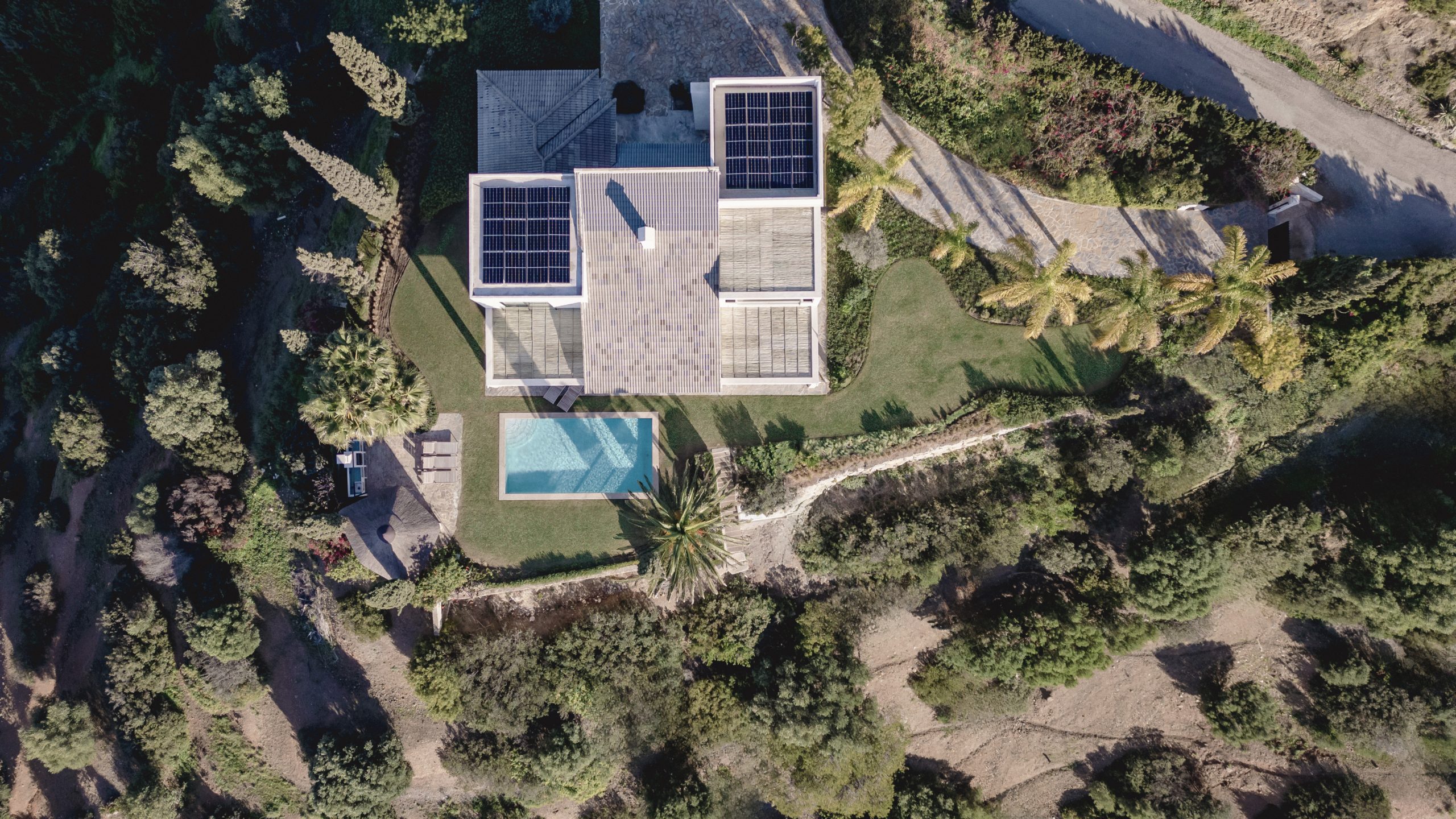
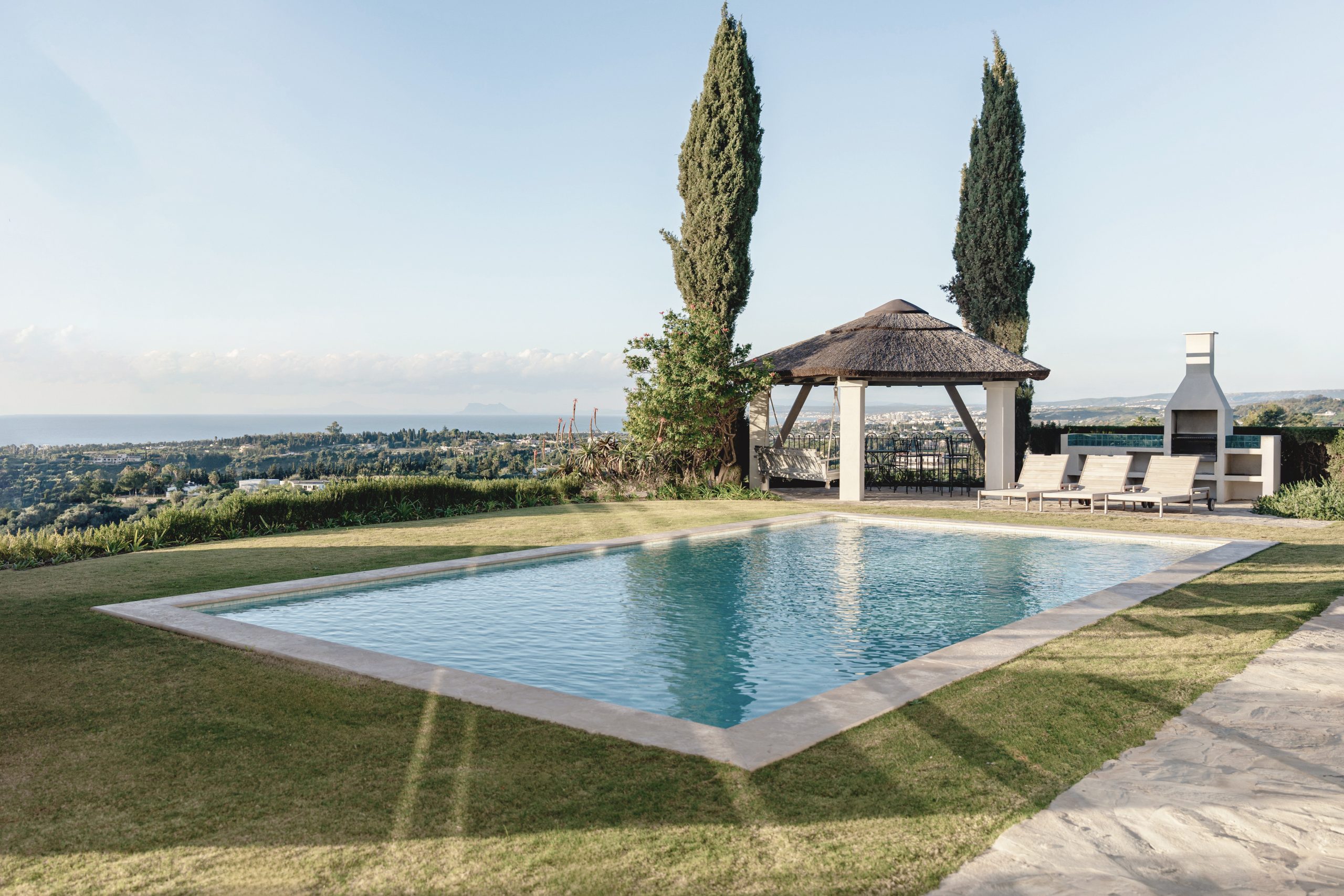
The garden unfolds taking advantage of the natural topography of the terrain. From every point, the gaze is directed toward the horizon, where the water of the pool visually merges with the sea.
This gesture, characteristic of garden design on the Costa del Sol, reinforces the sense of wide, open spaces, integrating the house with the landscape.
The sound of water accompanies the path like soft music. Its reflection introduces freshness and movement, while the dense and varied vegetation creates an immersive atmosphere. It is a garden that is not only looked at but inhabited: a space where calm materializes in texture, shadow, and scent.
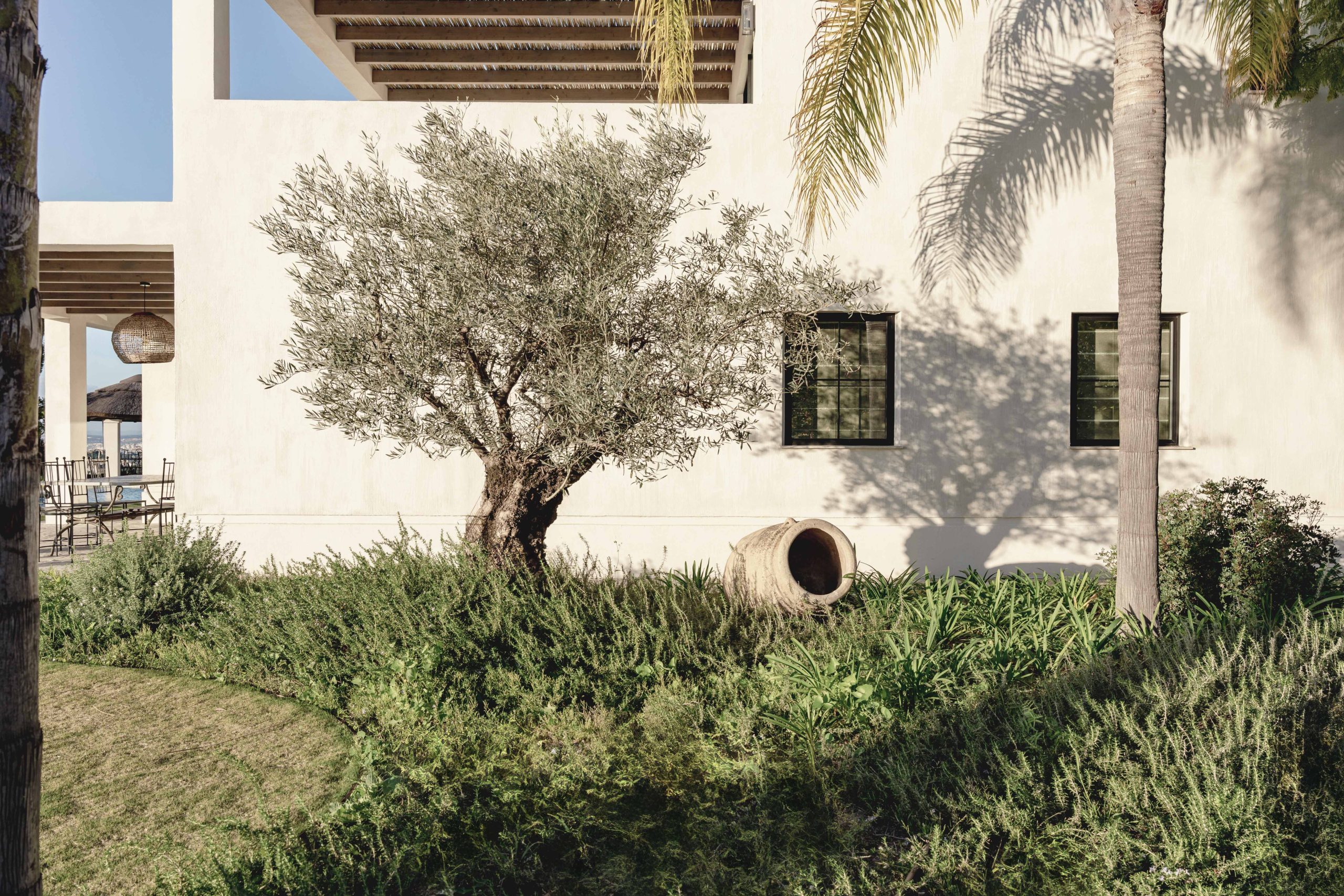
The vegetation combines native species with tropical varieties, creating a composition rich in nuances. Large palms mark structural points, while groups of strelitzias, agapanthus, and grasses provide rhythm and color. The entire ensemble is designed to offer a complete sensory experience: visual, tactile, and emotional.
Villa El Padrón redefines the concept of landscaping in Estepona, integrating nature and design in a work where luxury is expressed through serenity.
In the natural surroundings of Estepona, among gentle hills and views opening towards the Mediterranean, Villa El Padrón stands as a perfect dialogue between architecture, landscape, and light.
La Menara’s project starts from a clear premise: to transform the outdoor space into a livable garden, where the serenity and beauty of the environment can be perceived in every corner.
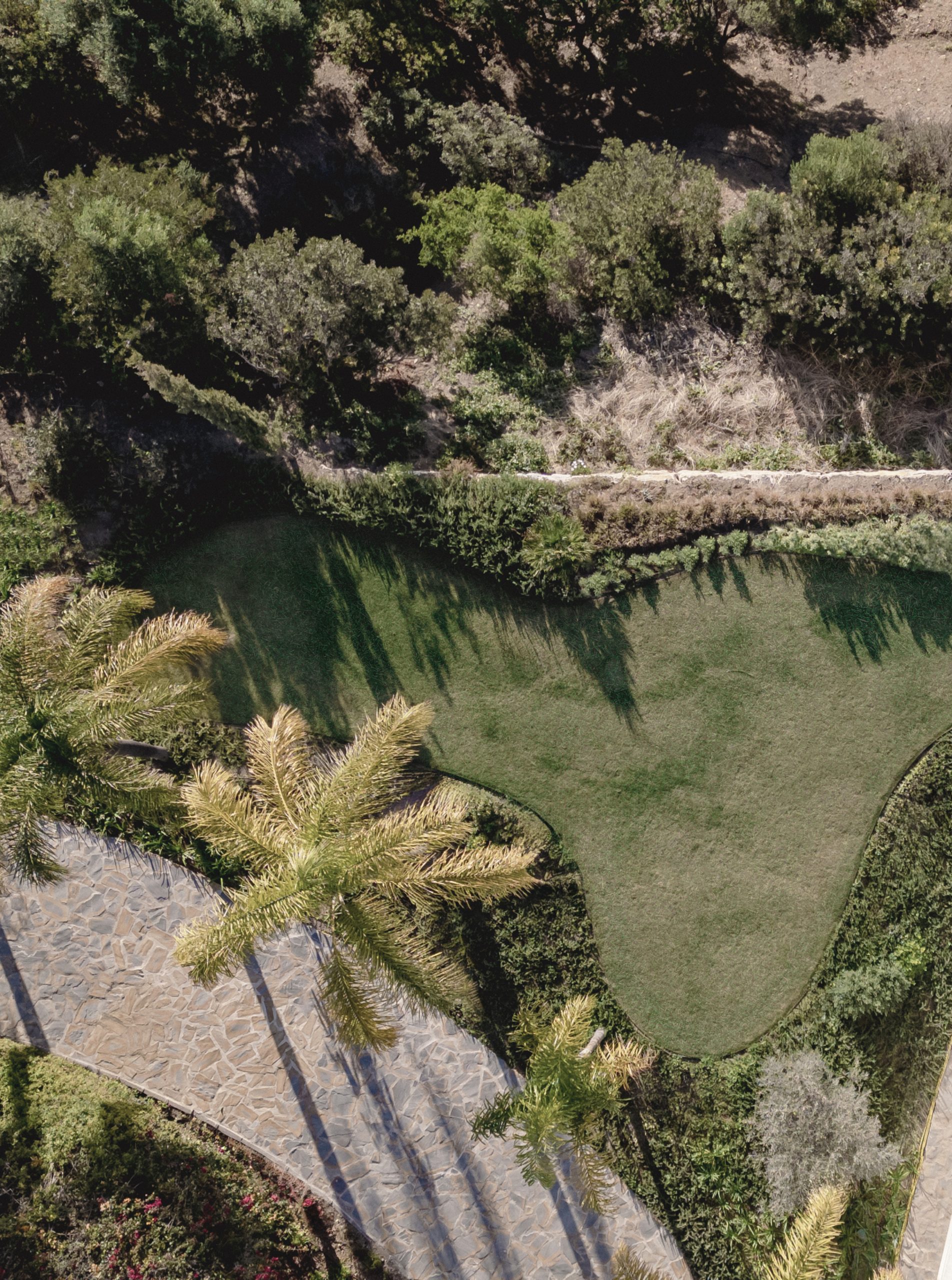
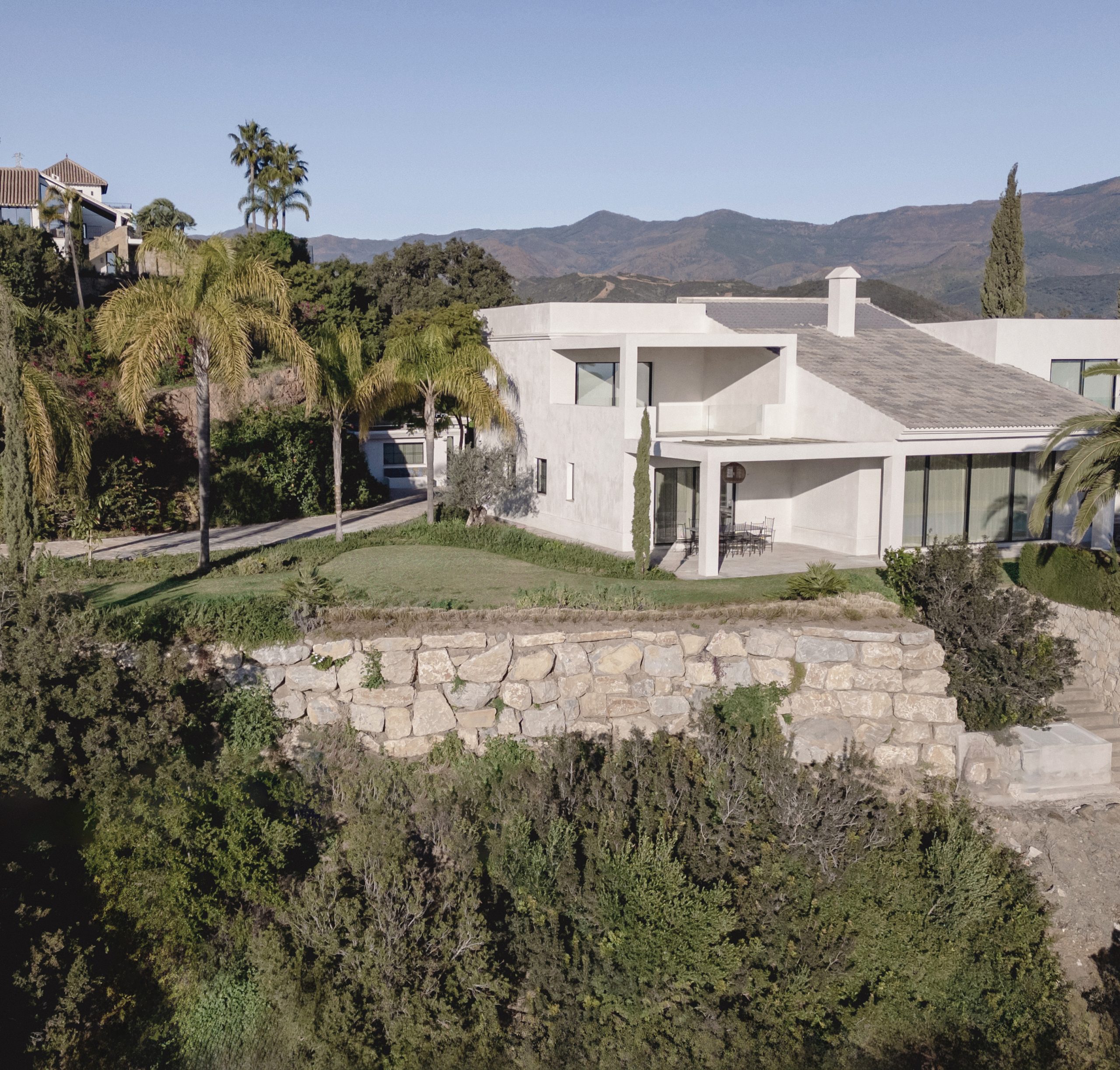
The entrance is conceived as a sensory transition. A natural stone path guides the visitor between lines of palm trees and plant masses that filter the views and prepare the mood for what lies ahead.
The architecture of the house, with pure volumes and contemporary geometries, finds its counterpart in a fluid and organic landscape that invites slow exploration to reach the horizon and enjoy views of the sea and the Strait of Gibraltar.
WORK IN PROGRESS
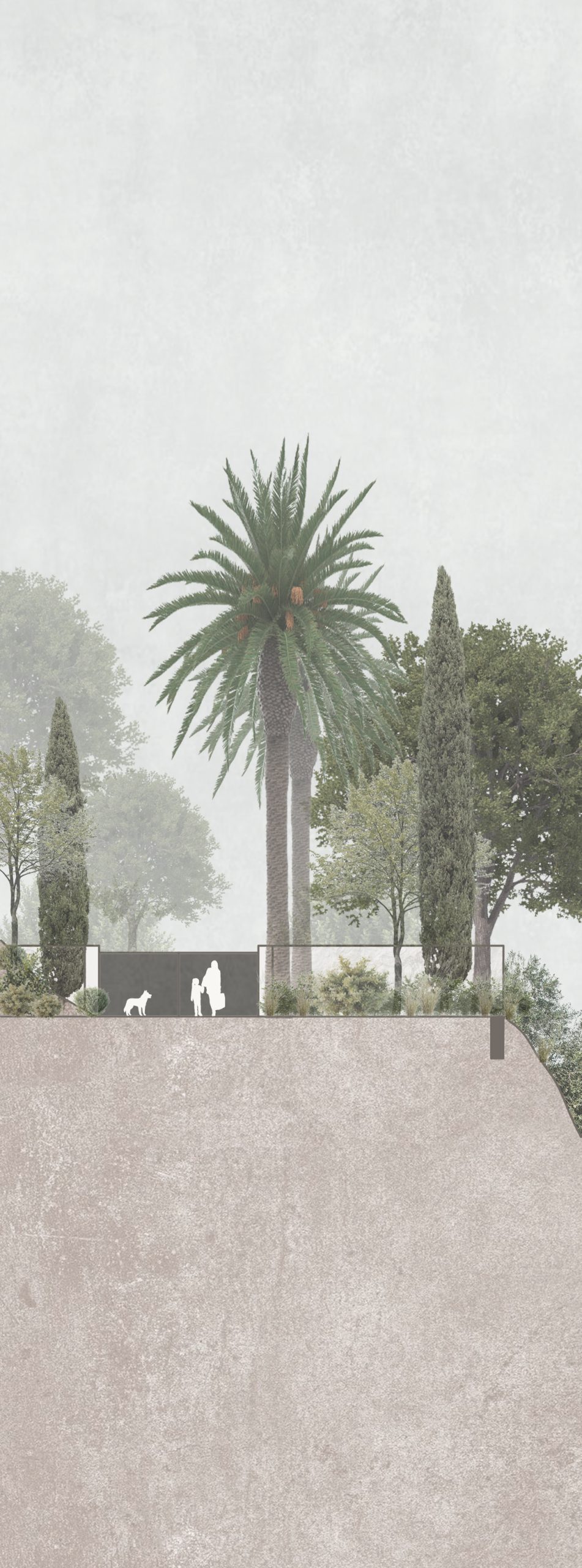
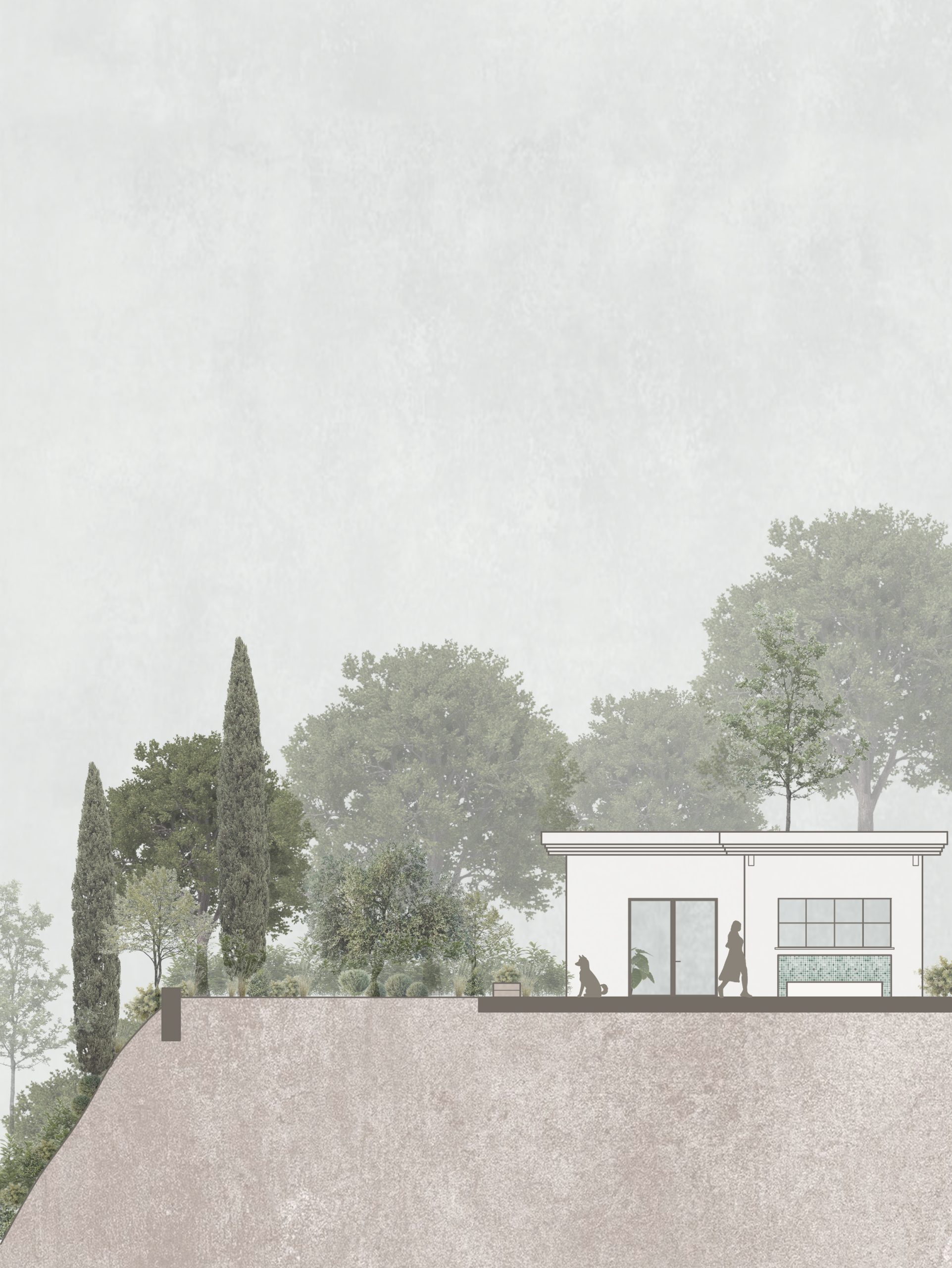
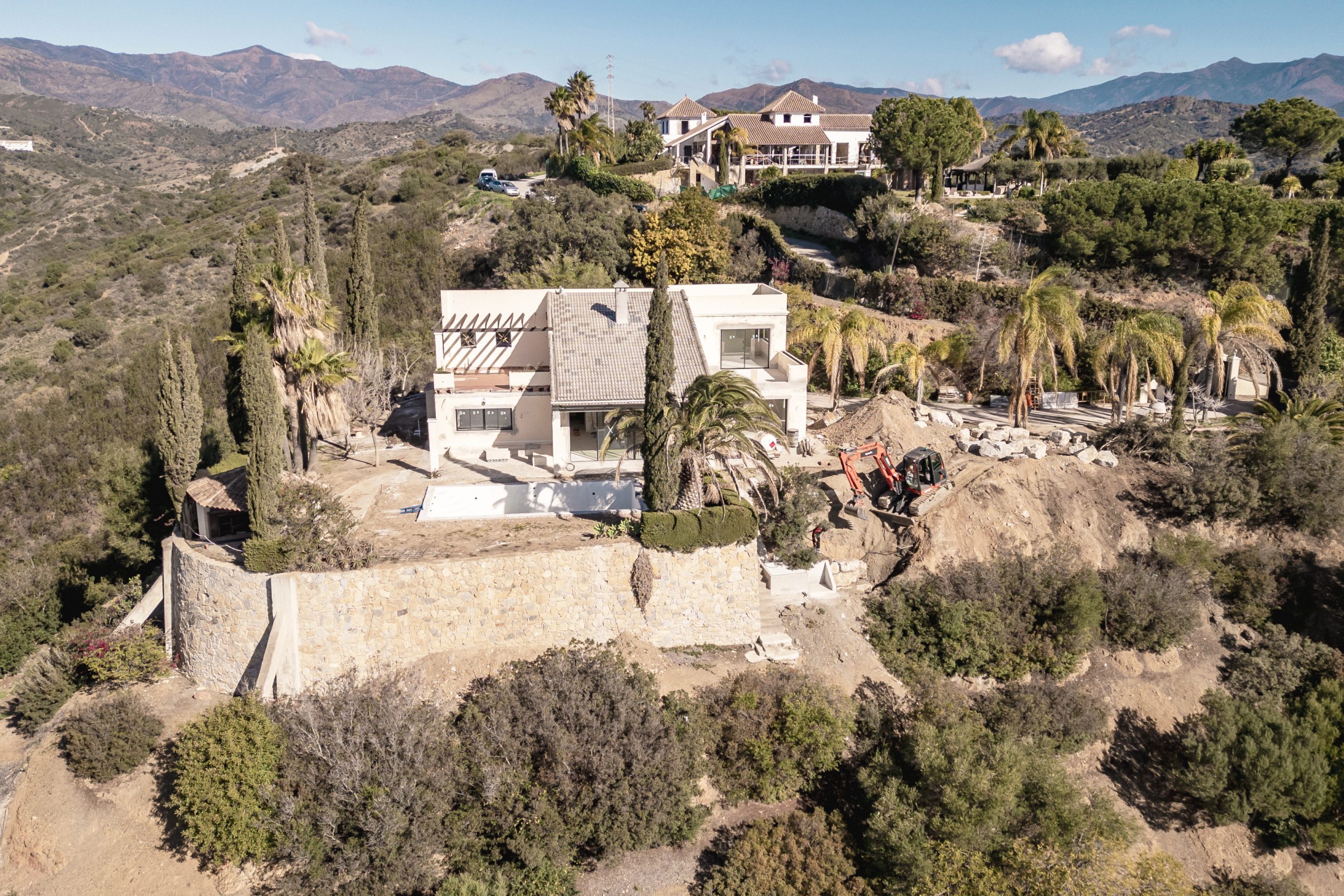
The execution of Villa El Padrón’s garden was carried out respecting the natural topography and the composition axes defined in the design. The initial phases consisted of preparing the terrain, leveling terraces, and defining access points, ensuring that paths, steps, and platforms fluidly integrated the various points of interest, such as the pool and key vegetation areas.
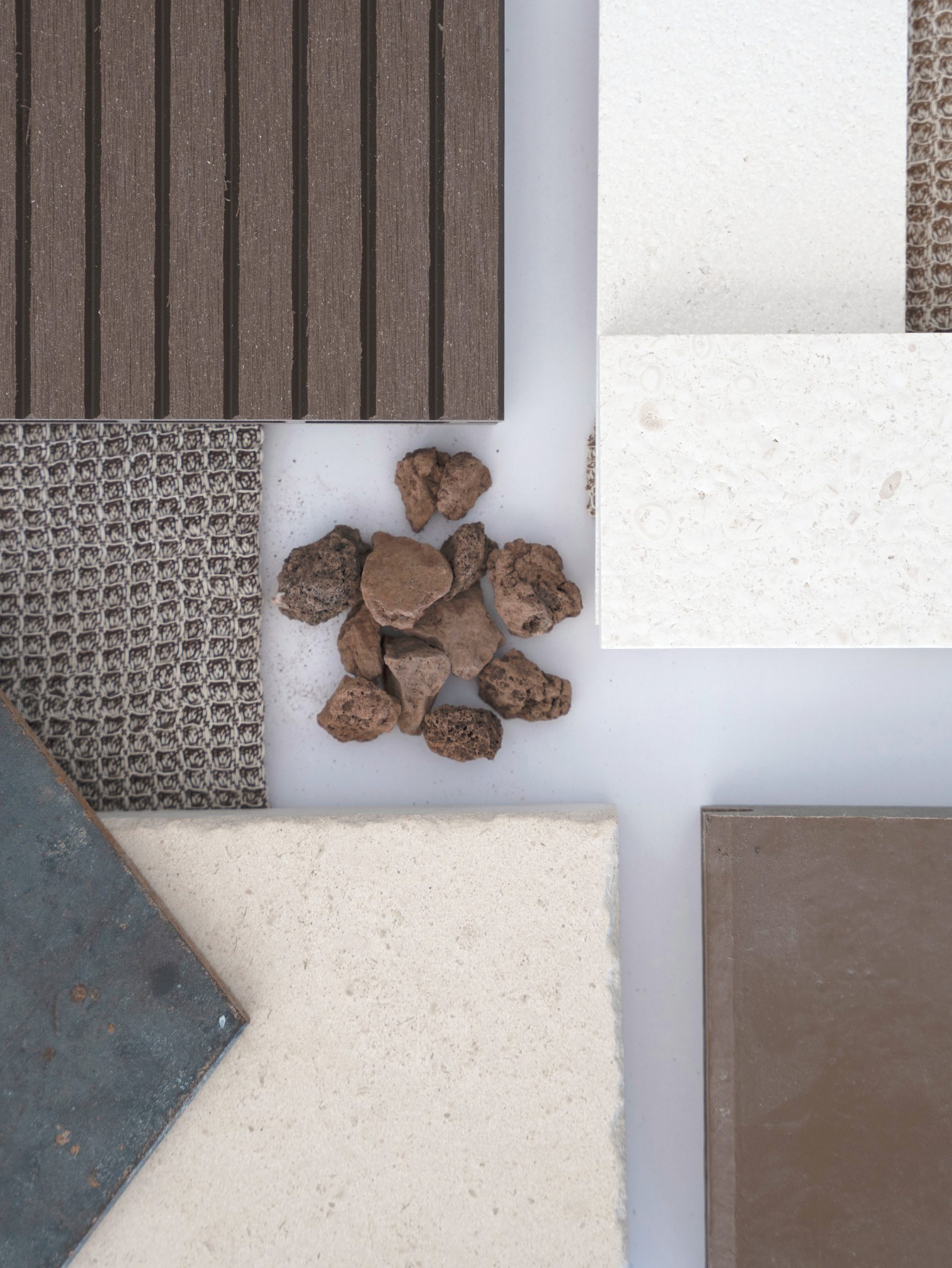
Simultaneously, natural stone pavements and walls were installed, coordinating their placement with the existing architectural volumes to maintain visual continuity and harmony. Planting was done according to the planned stratification: tall species to define axes and shadows, medium-height plants to structure intermediate areas, and low groundcovers to soften pathways and interactions with pavements.
Water and drainage elements were implemented with precision, ensuring functional and aesthetic integration, while irrigation systems were adjusted to maximize efficiency and sustainability. Nighttime lighting was incorporated at the end of the process, highlighting focal points and the vegetal architecture, creating immersive environments without altering the sense of naturalness. Each stage was planned to preserve the calm and continuity of the landscape, achieving a livable garden where architecture, light, and nature mutually enhance each other.
CREATIVE DESIGN
The project is structured through master lines that originate from the architecture and expand into the landscape. These lines, initially straight and contained, soften as they progress through the terrain, adapting to its natural shape. The result is a flowing garden: boundaries blur, vegetation merges with the horizon, and the spatial experience becomes an emotional journey.
Water plays an essential role in this narrative. From the entrance to the main area, its presence accompanies movement, guiding the visitor from one space to another. Water mirrors reflect the tops of the palms and the white façades, multiplying sensations of light and depth. This resource, characteristic of luxury landscaping in Marbella and Estepona, reinforces the idea of continuity and freshness.
Vegetation has been treated as an architectural material. Tall species define axes and shadows; medium-height species structure intermediate spaces, and low groundcovers soften encounters with pavements. This vegetal stratification generates a dynamic reading of the garden, changing with the seasons and the light.
The ensemble is completed with resting areas, lightweight pergolas, and terraces that extend the outdoor use of the house. Every element is designed to enhance the emotional connection between the inhabitant and the environment. Villa El Padrón is, above all, a sensory experience: a space that invites you to pause, breathe, and reconnect with nature through calm and beauty.
Inspired by Mediterranean essence yet conceived with a contemporary sensibility, this project embodies La Menara’s philosophy: creating gardens that transcend ornamentation and become livable, sustainable, and deeply human places. Villa El Padrón is an authorial landscape work, where design becomes emotion and the space transforms into a refuge of balance and serenity, highlighting the sense of expansiveness at key points along the journey.
The creative design of Villa El Padrón stems from a clear vision: to reinterpret the Mediterranean garden from a contemporary perspective, combining geometric rigor with natural freedom. From the first sketches, La Menara’s landscape architects conceived the outdoor space as a livable extension of the house, a sensory environment accompanying the rhythm of daily life.